Short, plain explanations of new science.
I write about aging, cancer, drug delivery, AI and what it takes to turn lab work into a company. Pick a topic, or read them all.
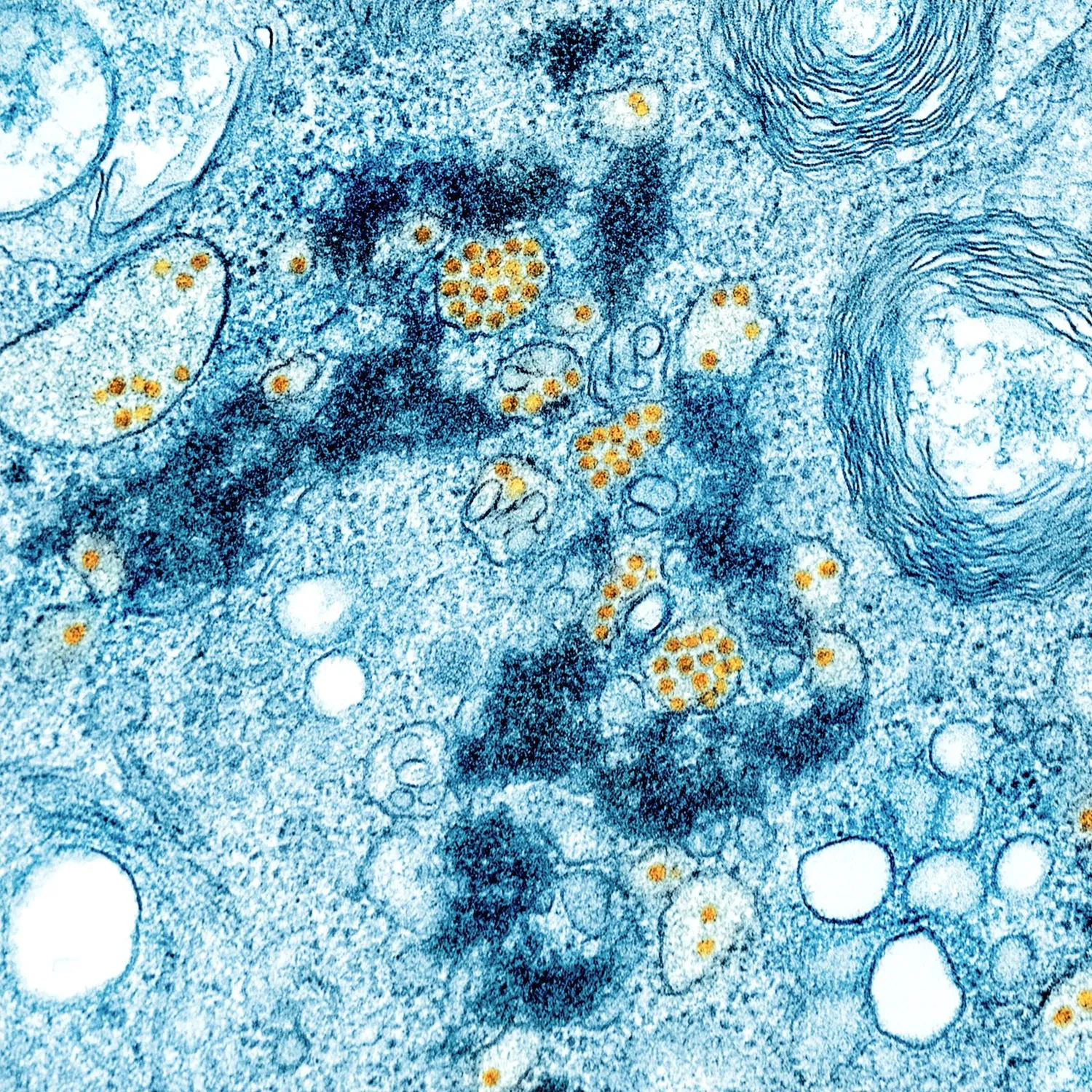
Why the hardest part of medicine is getting the drug there
A drug that never reaches its target is just a molecule. What extracellular vesicles might change, and what has to be true before they reach patients.
All notes
25 essays
What changes when research becomes a company
In the lab, the question is “is it true?” In a company, it is “is it true every time, at scale, for someone who needs it?”
Exosomes in skincare: what is real and what is marketing
“Exosome” is now printed on serums and creams. Here is how to read the label with a scientist’s eye.
When the immune system remembers the carrier
A drug carrier can work perfectly the first time and fail the second. The reason is immune memory.
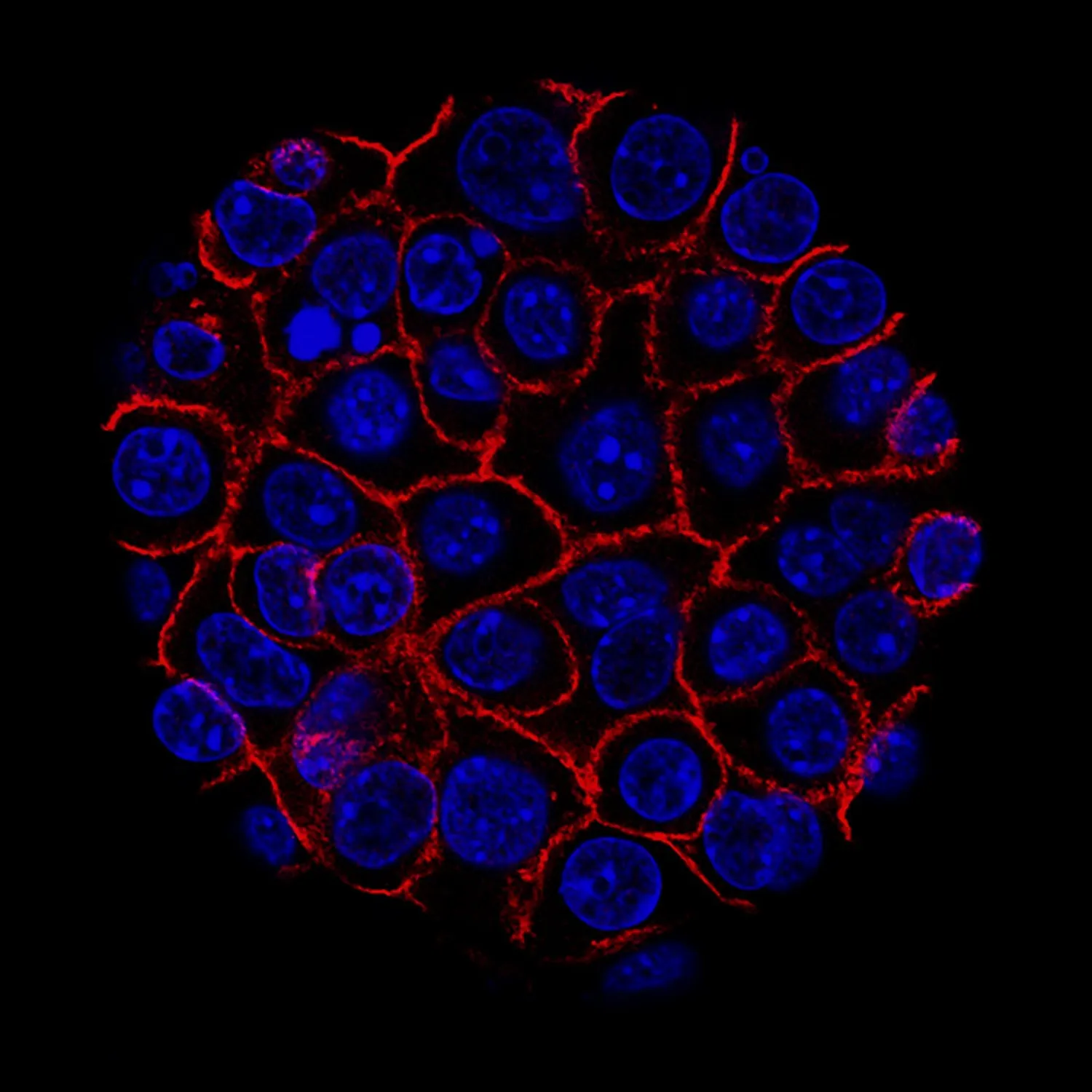
Why triple-negative breast cancer is so hard to treat
Most breast cancers have a target. This one is defined by what it lacks.
Ribosomes: the factory every cancer depends on
Cancer cells grow fast. To do that, they need to build proteins at an enormous rate.
What AI can and cannot do for drug design
AI can now propose new proteins in hours. Turning one into a medicine is still a biology problem.
A Nobel Prize for immune tolerance, and what it means for drug carriers
Mary Brunkow, Fred Ramsdell and Shimon Sakaguchi were honoured for discovering how the immune system is kept in check.
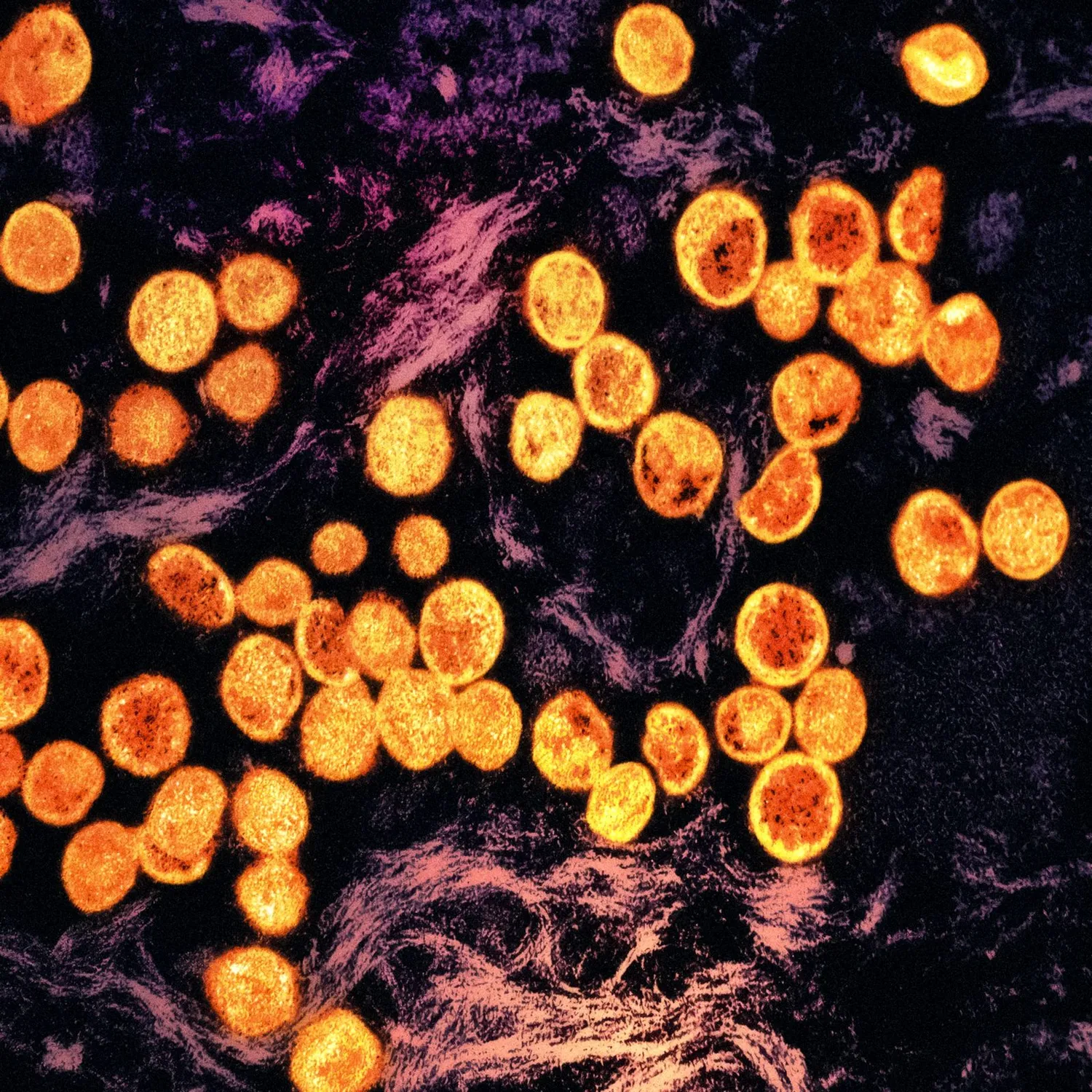
Senescence: the cells that refuse to die
Some cells stop dividing but never leave. That can protect us from cancer, and slowly harm us too.
Rapamycin, metformin and the race to slow aging
Two old drugs have become the benchmarks for anti-aging research. Here is why, and why caution still matters.

Fatty liver: the most common disease you may not know you have
About one in three adults may have fat building up in their liver. Most feel nothing.
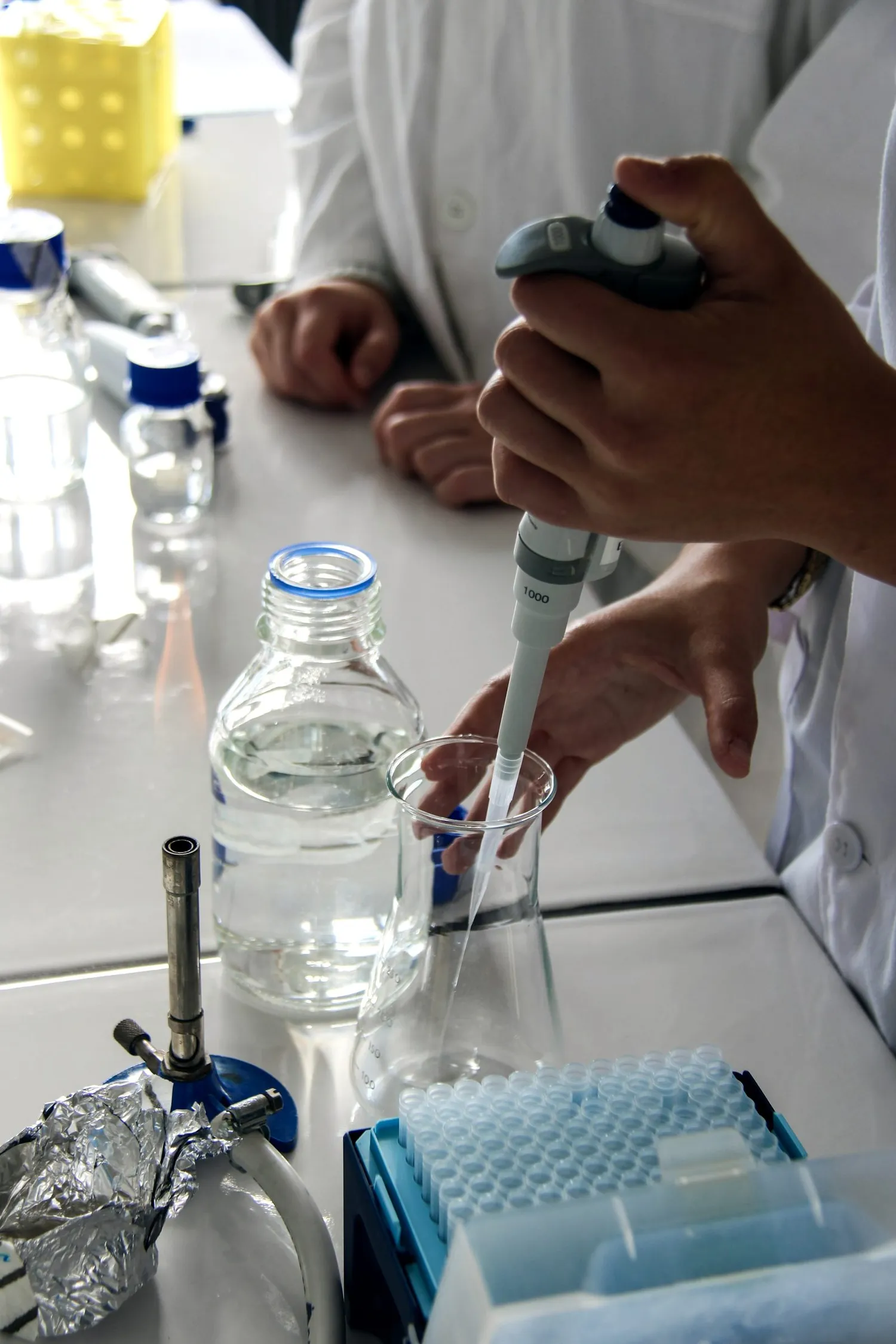
The first approved drug for MASH, and why nuclear receptors matter
Resmetirom becomes the first approved treatment for liver inflammation and scarring caused by fat buildup.
What mRNA vaccines taught us about delivery
The breakthrough everyone remembers was the molecule. The part that made it work was the package.
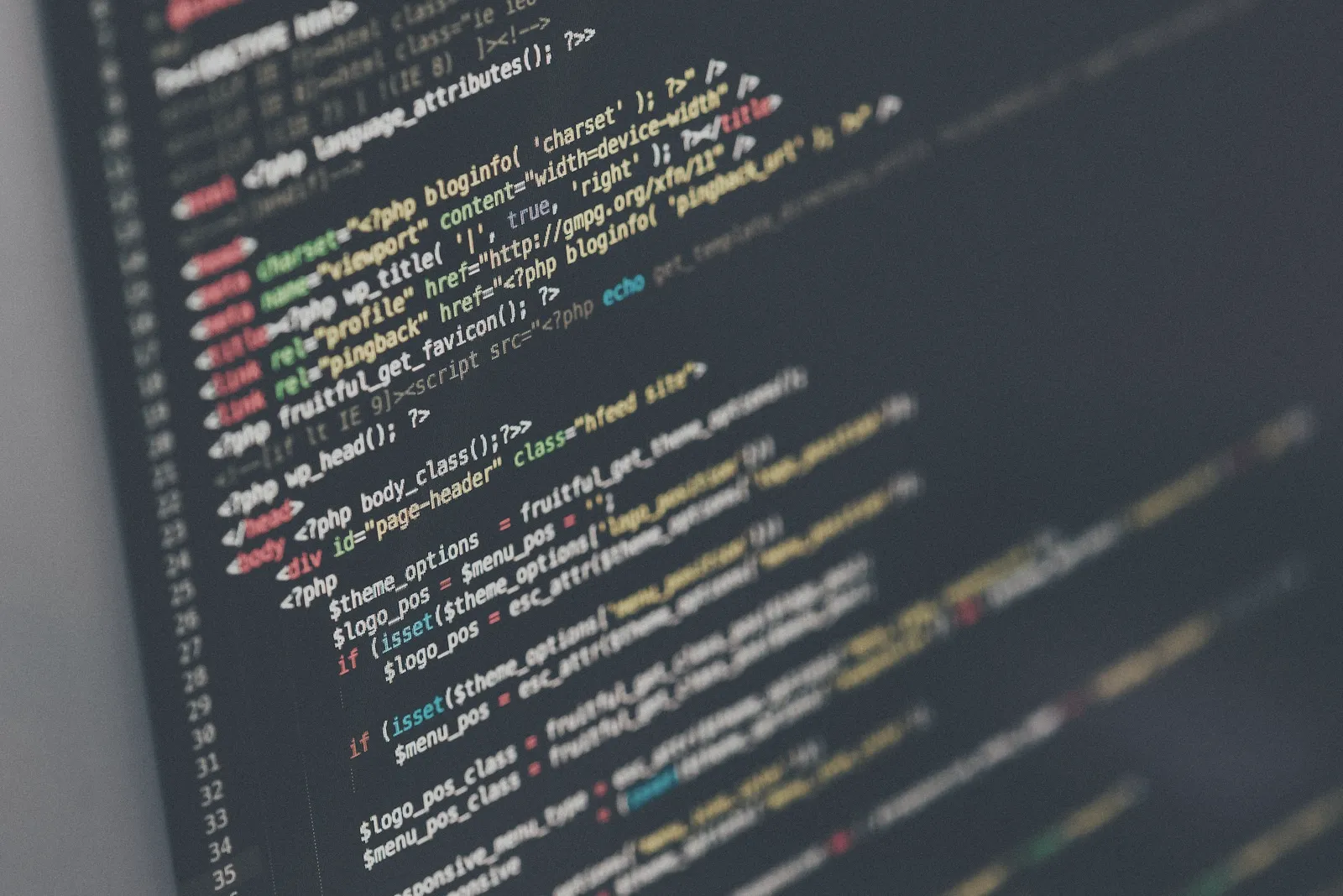
What shipping software taught me about running a lab
Building apps alongside my research taught me things a lab rarely teaches: deadlines, users and versions.
Altos Labs and the $3 billion bet on rejuvenation
A new company launched with $3 billion to pursue cellular rejuvenation. It says a lot about where aging research is heading.
Mechanism first: how I teach molecular biology
Students don’t struggle with biology because it is hard. They struggle because it is taught as a list.
Aducanumab’s approval and the cost of rushing hope
The first new Alzheimer’s drug in nearly 20 years was approved amid serious doubts about whether it works.
I wrote my first program at nine. It made me a better biologist.
Code taught me to break a big problem into small, testable steps. So did the lab, eventually.
AlphaFold and the protein folding problem: a new tool for biology
At the CASP14 assessment, an AI system predicted protein structures with accuracy close to experiment.
First human trial of senolytics: promising, and very early
A small pilot study tested drugs that clear senescent cells in patients with a fatal lung disease.
Releasing the brakes: a Nobel Prize for cancer immunotherapy
James Allison and Tasuku Honjo showed that blocking the immune system’s brakes can unleash it against cancer.
The first CAR-T approval turns living cells into cancer drugs
The FDA has approved a therapy that re-engineers a patient’s own immune cells to attack leukemia.
From willow bark to aspirin, and back again
The plant that gave us aspirin turned out to have more to say about aging than anyone expected.
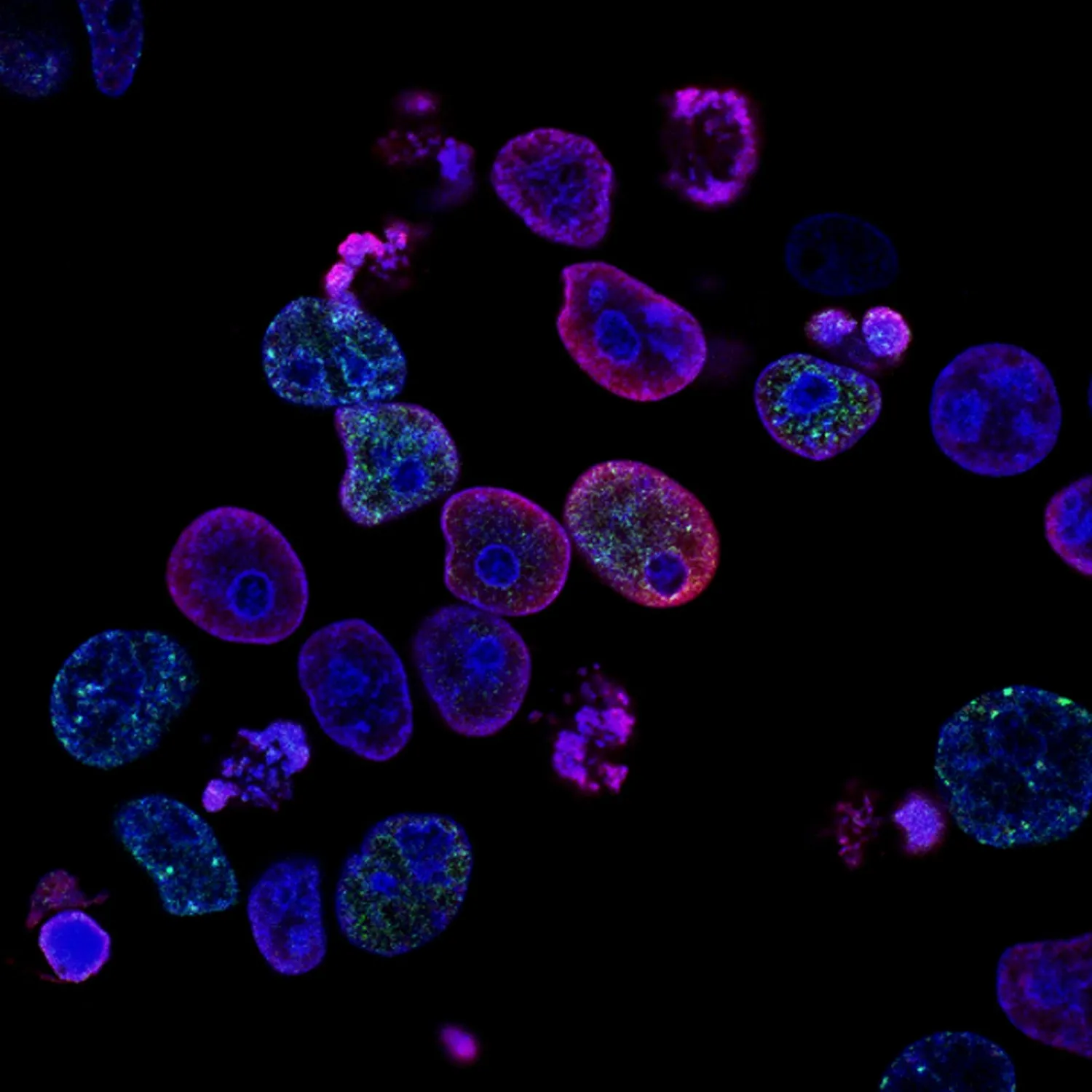
Why yeast is the best aging model you’ve never heard of
The same organism that makes bread and beer has quietly shaped what we know about how cells work, and how they age.
A Nobel Prize for autophagy, and a win for yeast research
Yoshinori Ohsumi’s Nobel Prize recognizes how cells recycle themselves. He discovered it in yeast.
CRISPR is Science’s Breakthrough of the Year. What it means for the lab bench
Gene editing just became cheap, fast and precise. For cell biologists, that changes the questions we can ask.