Releasing the brakes: a Nobel Prize for cancer immunotherapy
James Allison and Tasuku Honjo showed that blocking the immune system’s brakes can unleash it against cancer.
 Dr. Younes Medkour
October 2018 · 4 min read
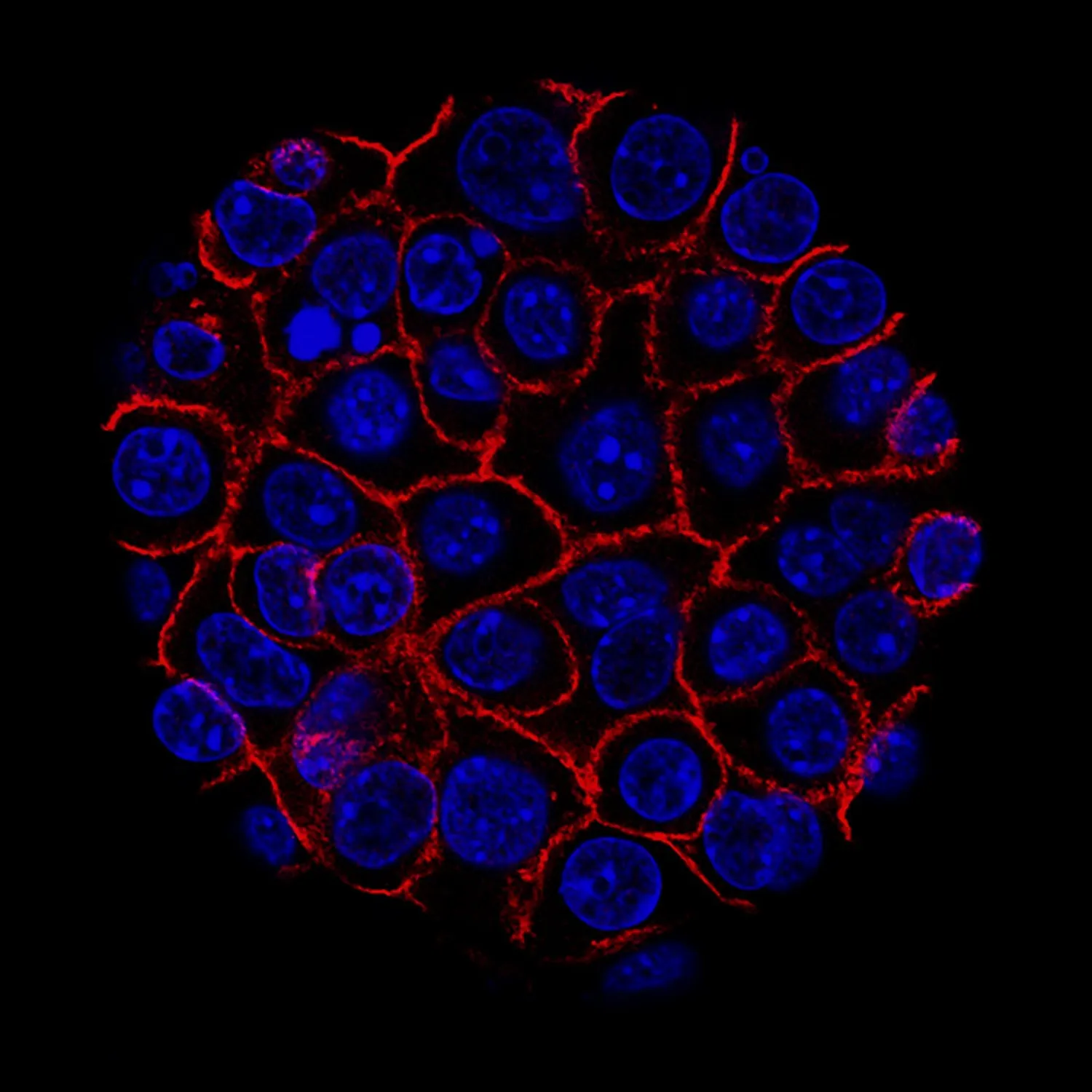
The 2018 Nobel Prize in Physiology or Medicine went to James Allison and Tasuku Honjo for discovering cancer therapy by inhibition of negative immune regulation, the work behind checkpoint inhibitors.
It is a well-deserved prize. Checkpoint inhibitors have changed the treatment of several cancers and, for some patients with advanced disease, produced long-lasting responses that were rare before.
The idea
The immune system has brakes, proteins like CTLA-4 and PD-1, that stop it from attacking the body’s own cells. Tumours exploit those brakes. Block them, and the immune system can see the cancer again.
Those brakes exist for good reasons. Without them, immune cells could damage healthy tissue and cause autoimmune disease. But cancer cells come from our own cells, and many tumours learn to engage these brakes to switch off the immune cells that would otherwise attack them. Allison worked on CTLA-4 and Honjo on PD-1. Their work showed that antibodies blocking these proteins could release that suppression and let immune cells do their job.
Why this approach is different
The best future treatments may stop a tumour from growing and expose it to the immune system at the same time.
Most traditional cancer treatments target the tumour directly: surgery removes it, radiation and chemotherapy damage its cells. Checkpoint inhibitors target the patient’s immune system instead. That is a fundamentally different strategy, and it explains why responses, when they happen, can be durable. The immune system can continue to recognize the cancer long after treatment.
The limits
These drugs do not work for everyone, and it is important to say so clearly, because public enthusiasm can run ahead of what patients actually experience. Many patients do not respond, and some cancers respond much less than others. Releasing the immune system’s brakes can also cause serious side effects when it turns against healthy tissue. A major research question now is predicting who will benefit, and how to make resistant tumours respond.
My perspective
I spend much of my time thinking about brakes on growth inside cancer cells. This prize is about brakes on the immune system outside them. The two ideas belong together: the best future treatments may stop a tumour from growing and expose it to the immune system at the same time.
Cancer is not only a disease of cells dividing out of control. It is also a disease of cells escaping detection. Treatments that tackle only one of these problems leave the other open. I expect the most effective strategies to combine approaches: slowing or halting tumour growth while making cancer cells more visible to immune attack. That is where cell biology and immunology need to work more closely than they often do.
It is also a reminder that some of the biggest advances come from basic research done with no therapy in mind. Understanding how immune cells are regulated was a fundamental question long before it became a treatment. Funding curiosity-driven science is not a luxury. It is often where the next therapy starts.