Senescence: the cells that refuse to die
Some cells stop dividing but never leave. That can protect us from cancer, and slowly harm us too.
 Dr. Younes Medkour
September 2025 · 6 min read
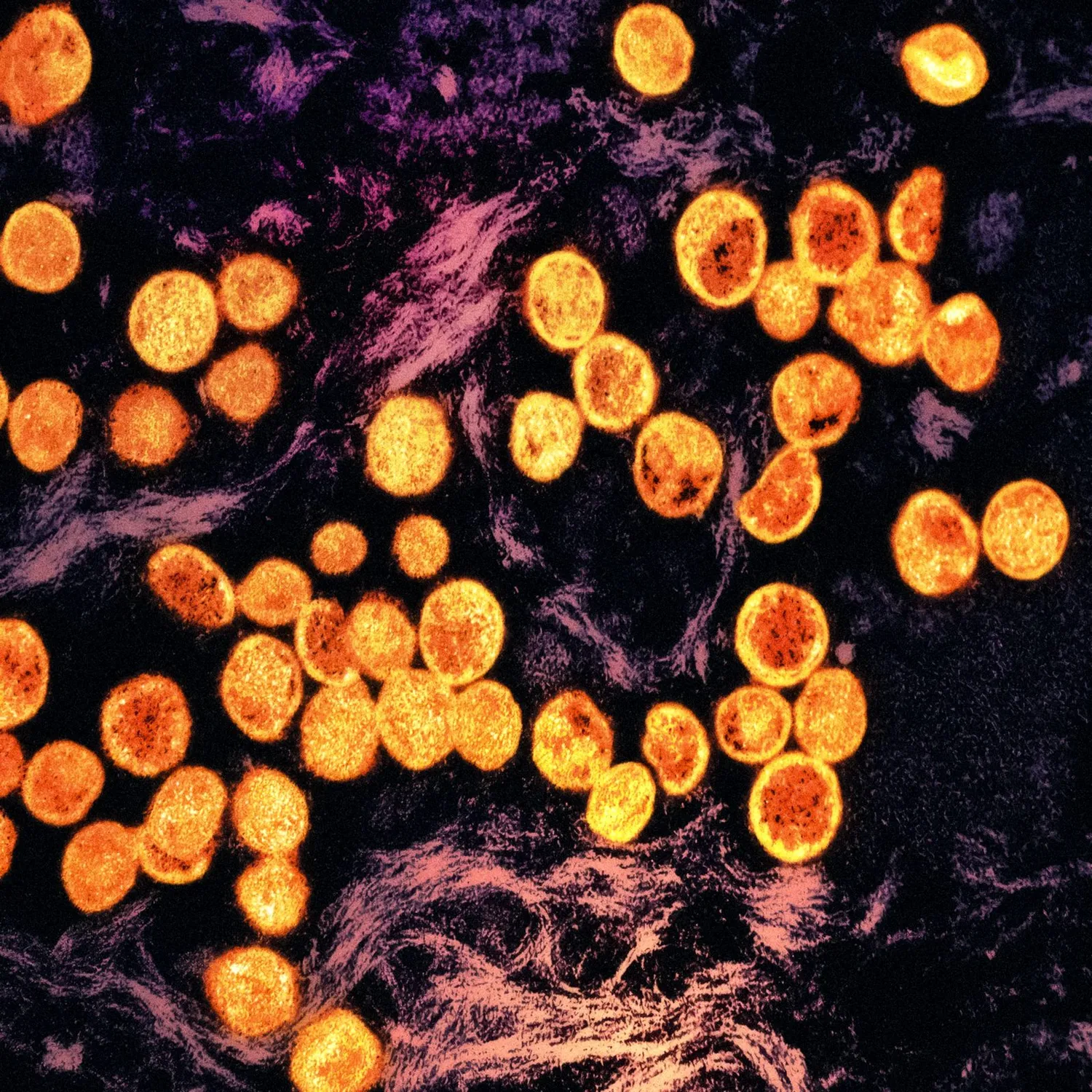
In 1961, Leonard Hayflick noticed something odd. Normal human cells in a dish divided about 50 times and then stopped. They did not die. They just stopped. We now call this state senescence.
At the time, many scientists believed that cells grown in culture could divide forever if conditions were right. Hayflick’s observation challenged that idea and suggested that normal cells carry an internal limit. Later work linked part of that limit to telomeres, the protective ends of chromosomes that shorten each time a cell divides.
A built-in brake
Senescence is one of the body’s defenses against cancer. When a cell is damaged or starts dividing out of control, pushing it into senescence takes it out of the game. That is exactly what my 2025 work explored in breast cancer cells.
Senescence can be triggered by many things besides telomere shortening: DNA damage, activated cancer genes, oxidative stress and some chemotherapy drugs. In each case, the logic is similar. If a cell may have become dangerous, permanently stopping its division is a safe way to limit the risk. Senescent cells also change their shape and metabolism, and they become resistant to many signals that would normally kill them.
For cancer treatment, this opens an interesting option. Instead of killing every tumour cell outright, you can try to force cancer cells into a stable, non-dividing state. A tumour that cannot grow is a tumour that can be managed.
The catch
The same process that stops a tumour can, decades later, contribute to aging.
Senescent cells are not quiet. They release a cocktail of inflammatory signals. A few are useful, for example in wound healing. But as they accumulate with age, they can damage the tissue around them and fuel age-related disease.
This secretion is often called the senescence-associated secretory phenotype. In the short term, it helps alert the immune system so that damaged cells can be cleared. The problem comes when clearance slows down, as it does with age. Senescent cells then linger, and their constant signalling contributes to chronic, low-grade inflammation that is linked to many conditions of aging.
There is also a risk specific to cancer. Under some conditions, the signals from senescent cells can support the growth of neighbouring cells, including tumour cells. A brake that works in one context can push the accelerator in another.
Senolytics
This has led to a new class of drugs, senolytics, designed to clear senescent cells selectively. Early studies in animals were striking, and human trials are underway.
My perspective
I find senescence one of the most useful ideas in biology because it refuses simple labels. Inducing it can stop a tumour. Clearing it may help aging tissues. A good treatment strategy may need to do both: push cancer cells into senescence, then make sure those cells are removed rather than left behind.
The lesson is that biology rarely offers pure good or pure bad. The same process that stops a tumour can, decades later, contribute to aging.