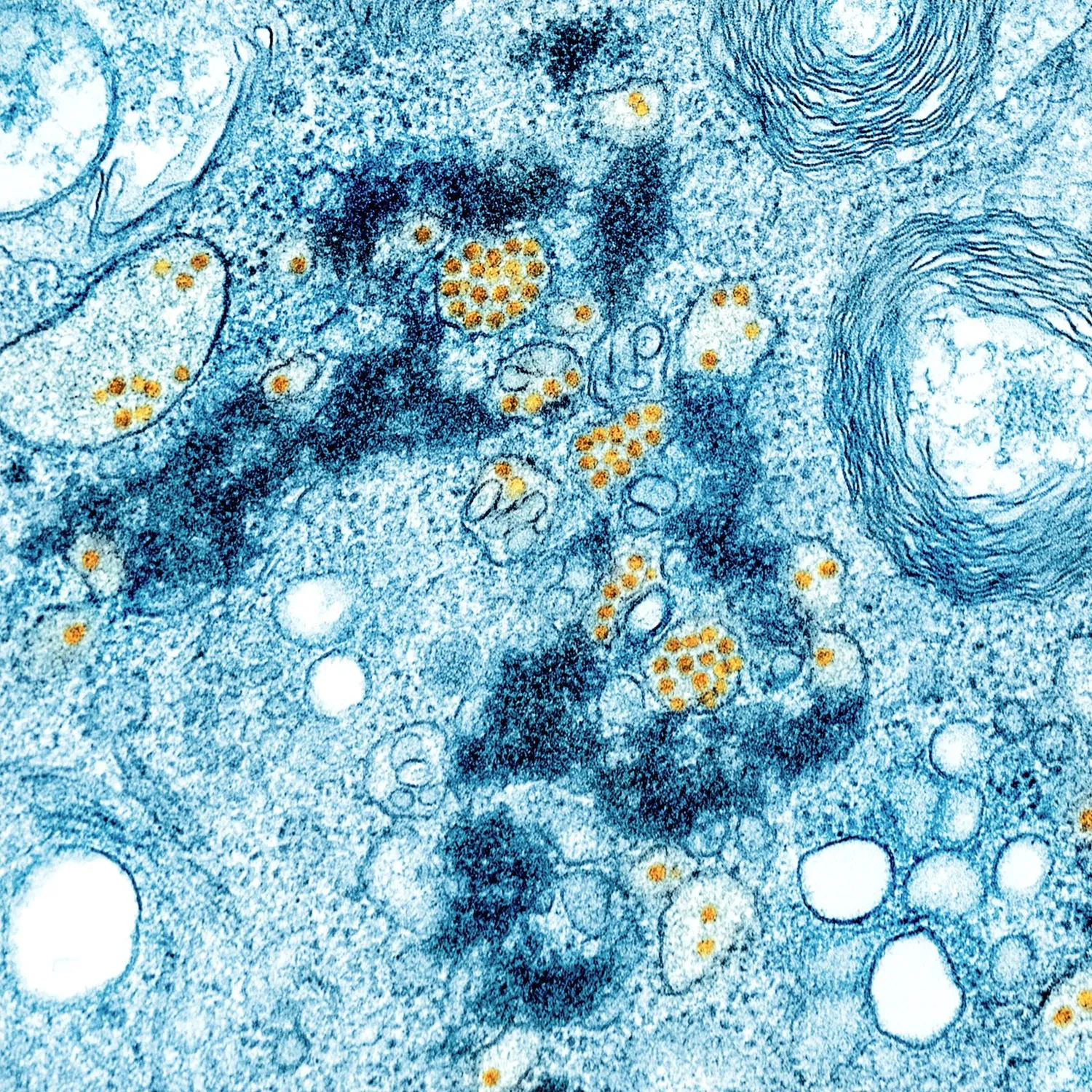
Biology runs on code now. I have been writing it since I was ten.
I build analysis pipelines, machine-learning systems and software products, and I bring them back to the hardest problems in medicine.
- Since age 10Writing code, self-taught
- AI × biologyHead of Computational Biology & AI, SEVO Bioscience
- 3 venturesSoftware companies I have run or founded
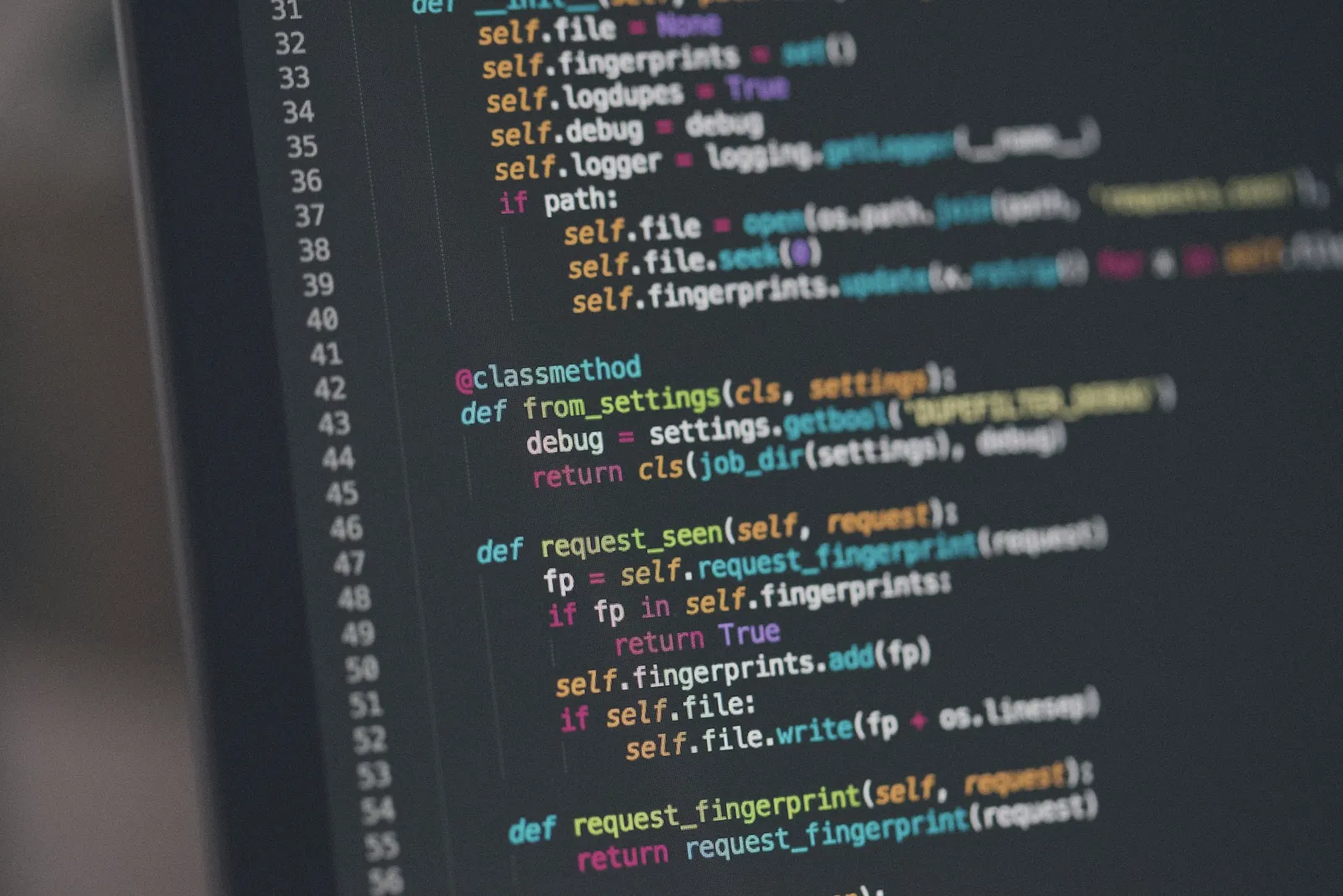
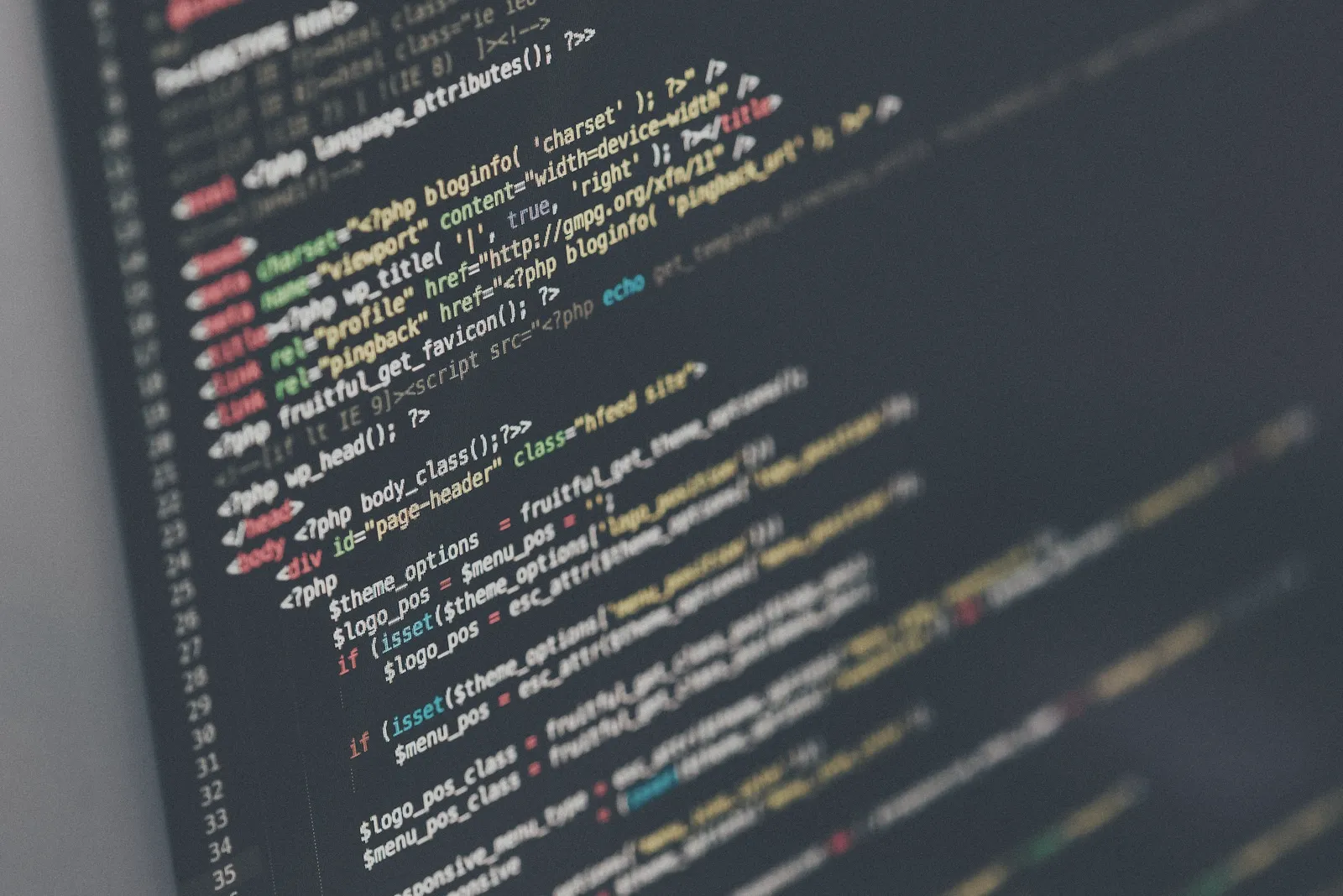
I wrote my first programs as a kid, long before I held a pipette. Code taught me to split a big problem into small steps I could test one at a time. Years later, that turned out to be the core of experimental biology too.
Today, a single experiment can produce thousands of measurements. I write the software that turns that data into answers, and I have spent years building and shipping software products outside the lab.
Most recently, I led computational biology and AI at SEVO Bioscience, on AI-designed proteins for downstream applications. The goal is simple to state and hard to do: use AI to propose new proteins, then test them honestly in cells.
From the bench to the model, and back.
AI-designed proteins
As Head of Computational Biology and AI at SEVO Bioscience, I worked on AI-designed proteins for downstream applications.
Read moreAnalysis pipelines
I write Python pipelines for mass spectrometry, flow cytometry, imaging and dose–response data. They are reproducible, scripted, and fast to rerun.
Read moreAI products and software
I design, build and ship AI-powered products, apps and platforms.
Read moreMachine-learning infrastructure
I built a personal research platform for training, versioning and tracking machine-learning models on time-series data.
Read moreSoftware and AI, alongside the science.
- Age 10
First programsSelf-taught
I started writing code at ten, to make the computer do things it did not do yet. The habit stuck.
- 2015 – 2019
Analyzing lab data on proteins and fatsPhD · Concordia University
I wrote Python code to analyze measurements of thousands of proteins and fats from our yeast aging studies, alongside the standard lab software.
- 2020 – 2023
Chief Operating Officer, RYM LabsMy first company
This was my first attempt at building a company: a software development firm that I ran as COO in parallel with my postdoctoral research at McGill.
- 2020 – 2025
Computational work in cancer researchPostdoc · McGill University
I scripted the analysis of live-cell imaging, proliferation and interactomics (IP-MS) data in breast cancer models.
- 2025 – 2026
Head of Computational Biology & AISEVO Bioscience
I led computational biology and AI for a program on AI-designed proteins for downstream applications.
What I work with.
Languages
- Python
- SQL
- JavaScript
Data & ML
- NumPy, Pandas
- Matplotlib
- Model training and evaluation
- Time-series data
Infrastructure
- Git
- Docker
- AWS
- Firebase
- Postgres
Products
- Android apps
- Web apps
- Client platforms
- Hosting
Lab data
- Mass spectrometry
- Flow cytometry
- Live-cell imaging
- Dose–response
Three principles.
Data before models
A model is only as good as what it learns from. Most of the work is collecting clean, honest data, including the experiments that failed.
The cell is the test
A prediction is a hypothesis. It earns trust in the lab, not on the screen. I close the loop between design and experiment.
Ship small, then improve
Build a working version, measure it and fix what breaks. The same discipline runs a good app and a good research project.
Writing on code and AI
All notes
What AI can and cannot do for drug design
I wrote my first program at nine. It made me a better biologist.
What shipping software taught me about running a lab