Why triple-negative breast cancer is so hard to treat
Most breast cancers have a target. This one is defined by what it lacks.
 Dr. Younes Medkour
February 2026 · 6 min read
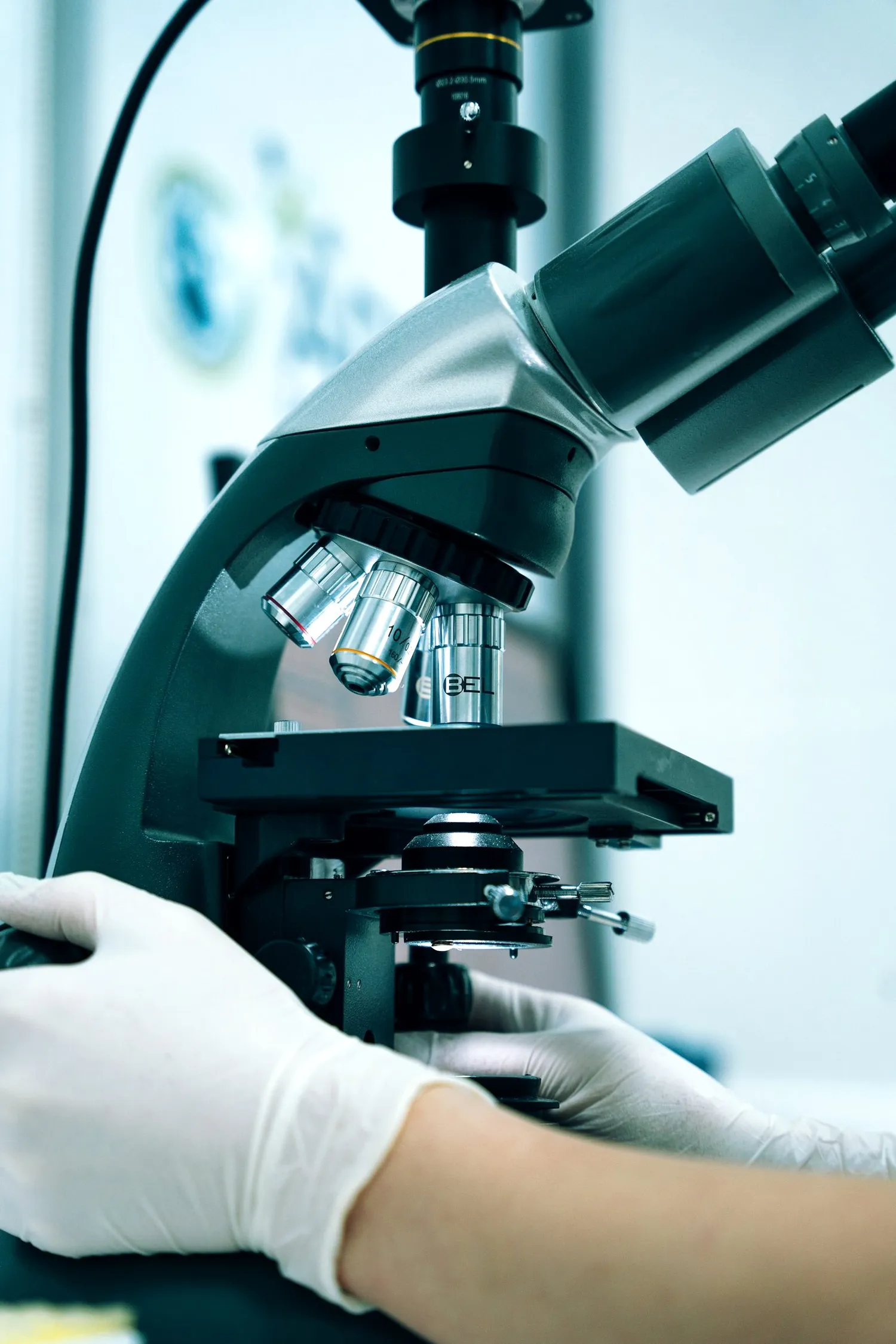
Many breast cancers can be treated with drugs that target one of three receptors: the estrogen receptor, the progesterone receptor, or HER2. Triple-negative breast cancer has none of them. It accounts for roughly 10 to 15% of breast cancers.
Those three receptors matter because they give doctors something specific to aim at. Hormone therapies block the estrogen signal that drives many breast tumours. Drugs against HER2 changed the outlook for patients whose cancers depend on it. When a tumour tests negative for all three, those tools do not apply.
Fewer options
Without those targets, chemotherapy has long been the main treatment. Triple-negative tumours also tend to grow quickly and are more common in younger women. They are more likely to come back in the first few years after treatment, and when they spread, options narrow further.
Chemotherapy can be effective, especially early on. But it is a blunt tool. It works by attacking cells that divide quickly, which includes cancer cells but also healthy cells in the gut, the bone marrow and hair follicles. That is why side effects are severe, and why doses are limited by what the patient can tolerate.
Not one disease
Triple-negative is a definition by absence, and that hides a lot of variety. Under the same label are tumours with very different biology, different mutations and different behaviour. Some respond well to chemotherapy, others do not. Part of the research challenge is splitting this group into subtypes that each have their own weak point. My own postdoctoral work touched this, studying growth control and senescence in triple-negative cells, and a rare triple-negative form of lobular breast cancer.
Hard cancers are short of ways to kill only the right cells.
Progress
Things are moving. Immunotherapy has been approved for some patients, and antibody-drug conjugates, which carry chemotherapy directly to cancer cells, have shown real benefit.
Antibody-drug conjugates are a good example of a simple idea done well. An antibody recognizes a protein on the surface of cancer cells. A potent drug is attached to it. The antibody acts as a guide, and the drug is released where it is needed, sparing more of the healthy tissue.
A delivery problem in disguise
Notice the theme: one of the most promising advances is a better way to deliver an old drug. That idea is at the heart of my current work on extracellular vesicles, natural carriers released by cells that can be loaded with a drug and help it reach its target.
My perspective
I think the field sometimes underestimates delivery. A lot of attention goes to finding new molecules, and that work matters. But many drugs we already have are powerful enough. Their problem is that they reach the wrong cells as easily as the right ones. Improving delivery can widen the gap between a dose that harms a tumour and a dose that harms the patient. Hard cancers are often not short of drugs that kill cells. They are short of ways to kill only the right ones.