A Nobel Prize for autophagy, and a win for yeast research
Yoshinori Ohsumi’s Nobel Prize recognizes how cells recycle themselves. He discovered it in yeast.
 Dr. Younes Medkour
October 2016 · 4 min read
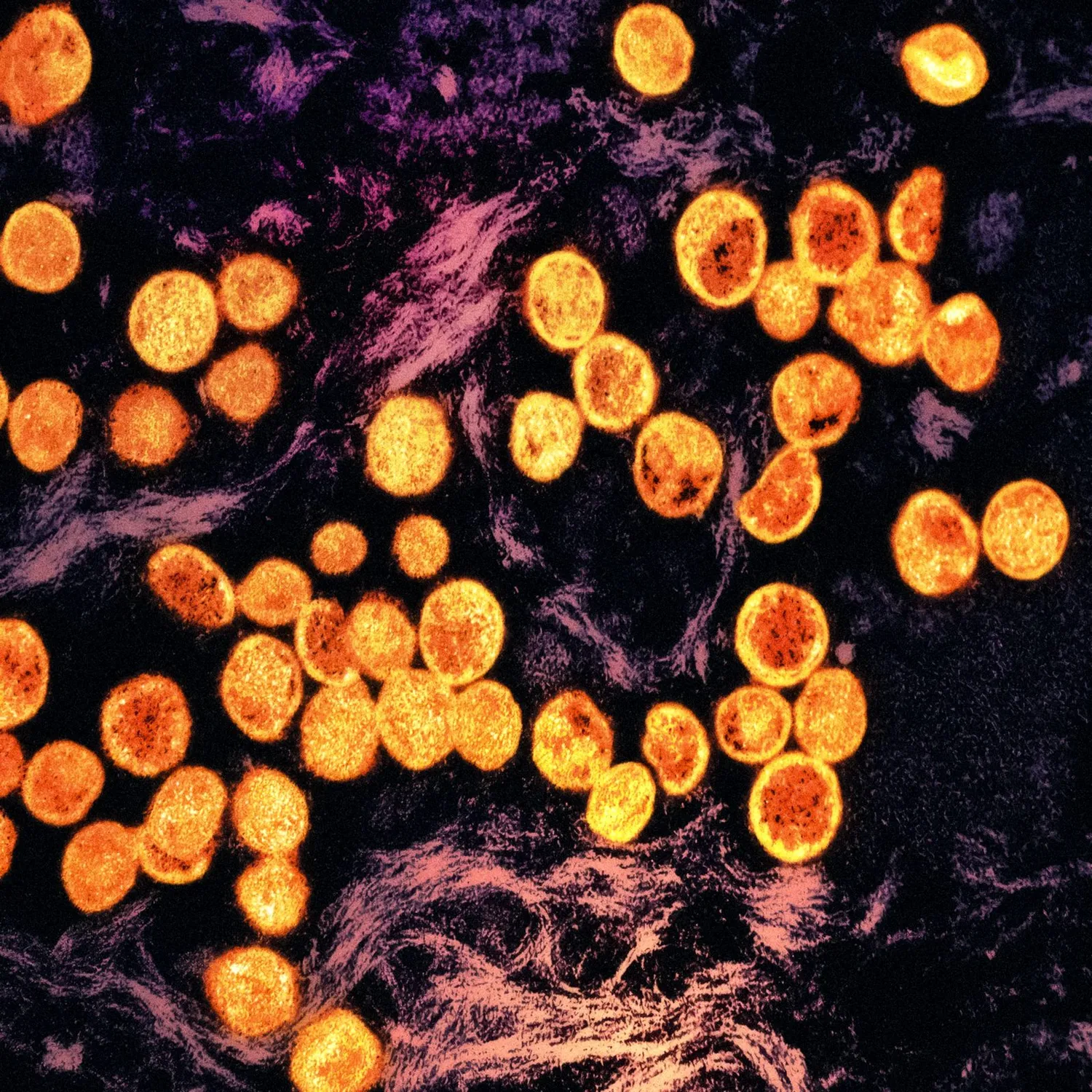
The 2016 Nobel Prize in Physiology or Medicine went to Yoshinori Ohsumi for discovering the mechanisms of autophagy, the process cells use to break down and recycle their own components.
The word autophagy means self-eating. The idea that cells digest parts of themselves had been known for decades, but how it actually worked was poorly understood. Ohsumi’s contribution was to identify the genes that control the process and show how they work together. That turned a vague concept into a defined, testable piece of cell biology.
How it works
In autophagy, a membrane forms around a portion of the cell’s contents, such as clumped proteins or a damaged mitochondrion, and seals it into a small compartment. That compartment then fuses with the cell’s digestive compartment, where the contents are broken down into basic building blocks. The cell reuses those building blocks to make new components or to produce energy. It is both a cleanup system and a backup food supply, which is why autophagy increases when nutrients are scarce.
Why it matters
Autophagy keeps cells clean. When it slows down, damaged proteins and worn-out mitochondria accumulate. That has been linked to aging, neurodegeneration and cancer.
Neurons are a good example of why this matters. They rarely divide and must last a lifetime, so they cannot dilute damage by splitting into new cells. They rely heavily on cleanup systems like autophagy. In cancer, the picture is more complicated: autophagy can help prevent tumours early on, but established tumours can also use it to survive stress.
If aging is in part a recycling problem, autophagy is one of the first places to look.
Why it matters to me
Ohsumi did his key work in baker’s yeast, the same organism I study for aging. People sometimes ask why anyone would study aging in yeast. This prize is a good answer: the core machinery of the cell is shared, and yeast lets you find it.
He used yeast genetics to find the genes needed for autophagy, then others found that many of the same genes exist in humans. That is the pattern that makes yeast so valuable. You can ask a basic question in a simple system, find the parts, and then look for the same parts in more complex organisms.
My perspective
Many of the interventions that extend lifespan in yeast, including some of the compounds we study, seem to work partly through cellular housekeeping. Calorie restriction, which extends lifespan in many organisms, is known to activate autophagy. Some of the same nutrient-sensing pathways that control growth also switch autophagy on or off.
I want to be careful here. Autophagy is not a single dial that we can simply turn up to slow aging, and too much of it can also be harmful. But the connection is strong enough that it deserves serious attention.
I also hope this prize reminds people of the value of curiosity-driven research. Ohsumi was not trying to cure a disease. He was trying to understand a basic process in a simple organism. If aging is in part a recycling problem, autophagy is one of the first places to look.