Cancer · 2025
A brake on cancer growth
A protein complex shuts down the cell’s protein-making machinery and stops an aggressive breast cancer from dividing.
Read my article Read the paper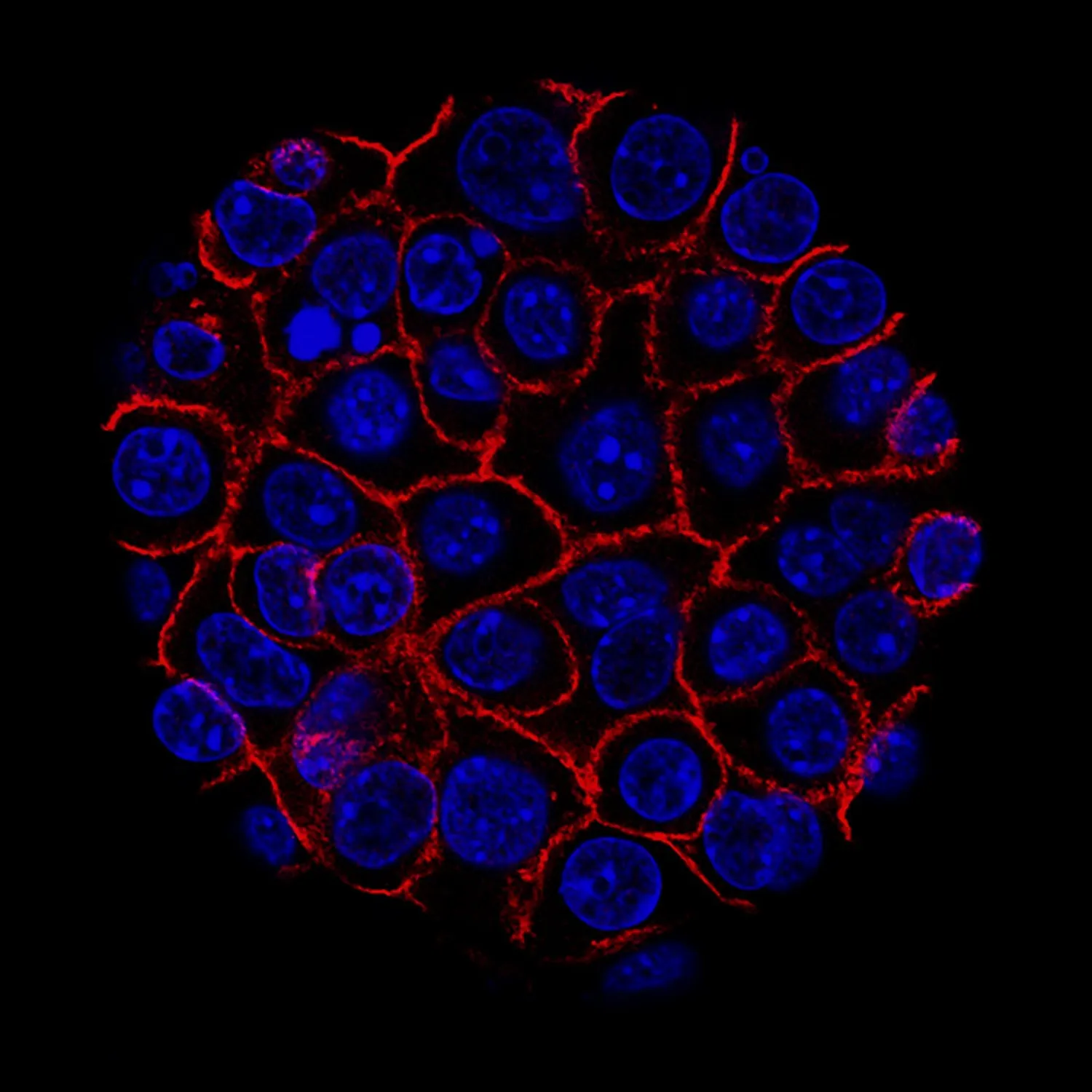
My work moves from basic mechanisms to therapies: what controls a cell’s fate, and how to get the right molecule to the right cell, safely.
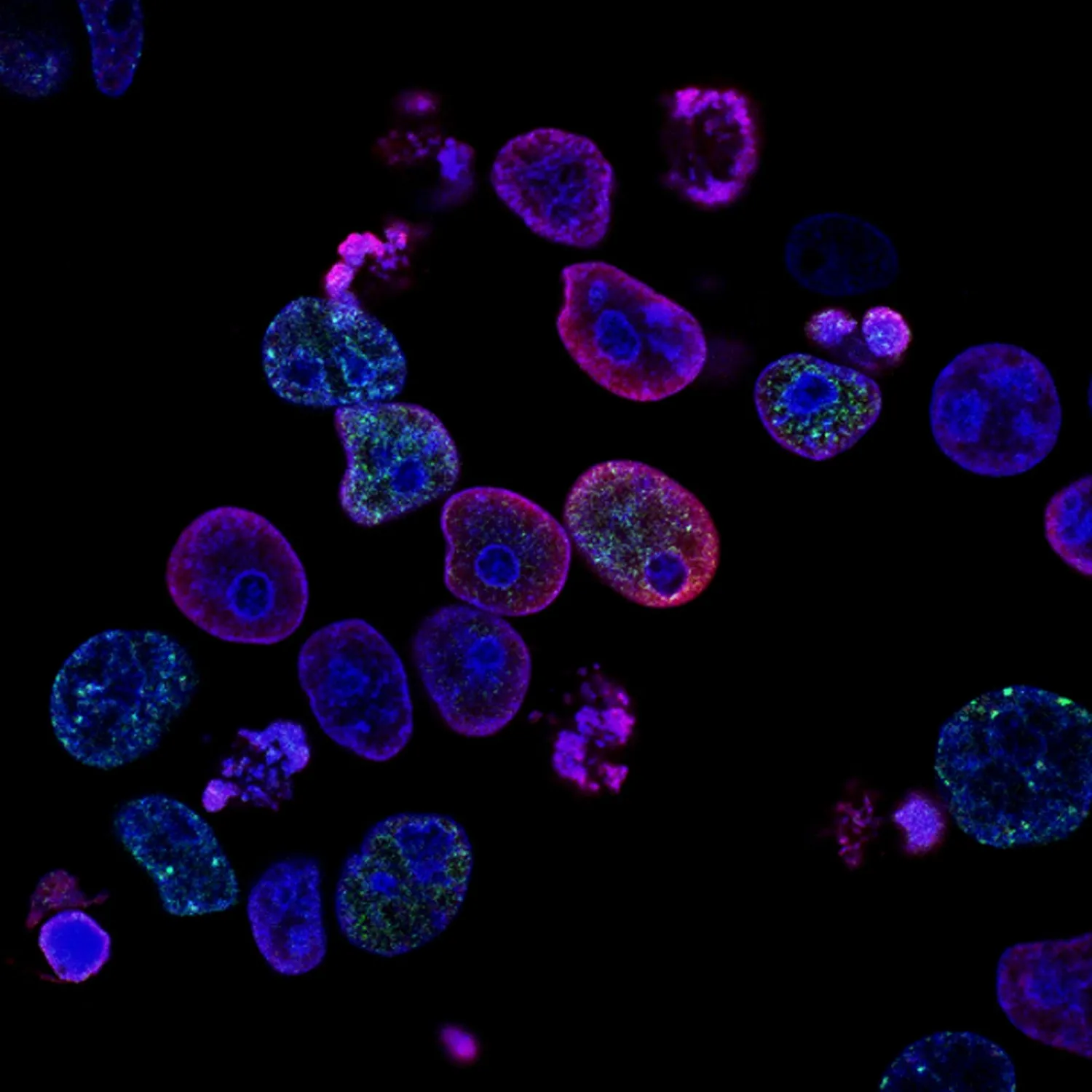
I study what decides how long a cell keeps working, and whether we can slow that down.
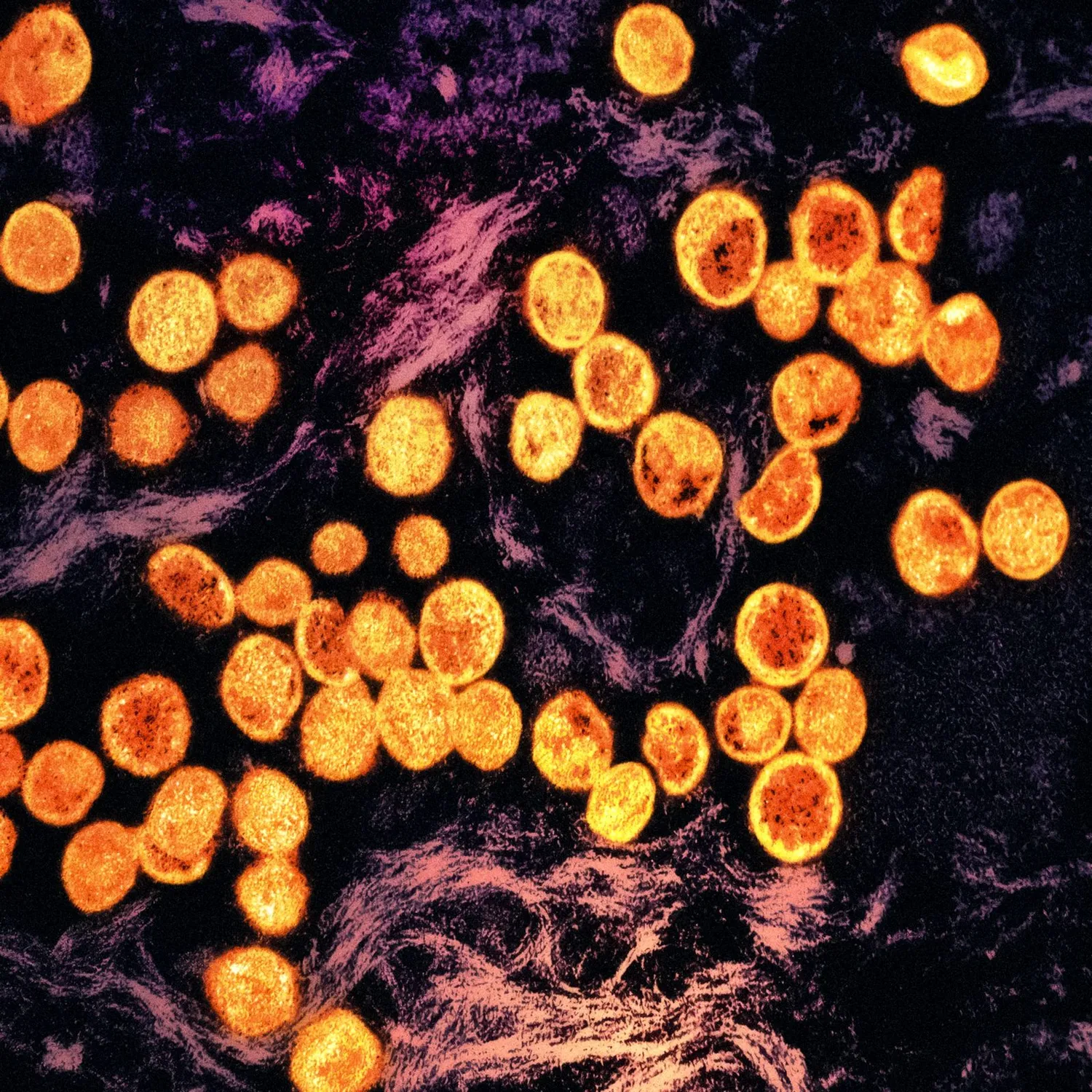
I study the controls that stop cells from dividing, and how tumours get around them.
The goal is to get a therapy to its target in a form the body accepts.
Find the mechanism that controls the cell.
Pick the lever worth pulling.
Build a carrier that reaches the right cells.
Show that the body accepts it.
Move it toward people, through Nanomère.
Cells constantly release extracellular vesicles to send proteins and RNA to each other. Because the body already makes and reads them, they could carry medicine past barriers that stop synthetic particles. I develop two carriers: EVX-1 for chemotherapy, and ProbioVesicle, probiotic yeast vesicles for anti-aging actives. I also test whether they are safe enough for human use.
A protein complex shuts down the cell’s protein-making machinery and stops an aggressive breast cancer from dividing.
Read my article Read the paperA single protein controls how the liver handles fat. When it fails, fat builds up and fatty liver disease follows.
Read my article Read the paperCertain plant extracts extend the lifespan of yeast, a simple model that ages through pathways we share.
Read my article Read the papersMany promising molecules never reach the cells they are meant to help.
Read more Q2It is the difference between a therapy the body accepts and one it attacks.
Read more Q3Pushing cancer cells to stop dividing sometimes helps and sometimes backfires.
Read moreAging, cancer and drug delivery. What the research says, and what it doesn't.