A Nobel Prize for immune tolerance, and what it means for drug carriers
Mary Brunkow, Fred Ramsdell and Shimon Sakaguchi were honoured for discovering how the immune system is kept in check.
 Dr. Younes Medkour
October 2025 · 4 min read
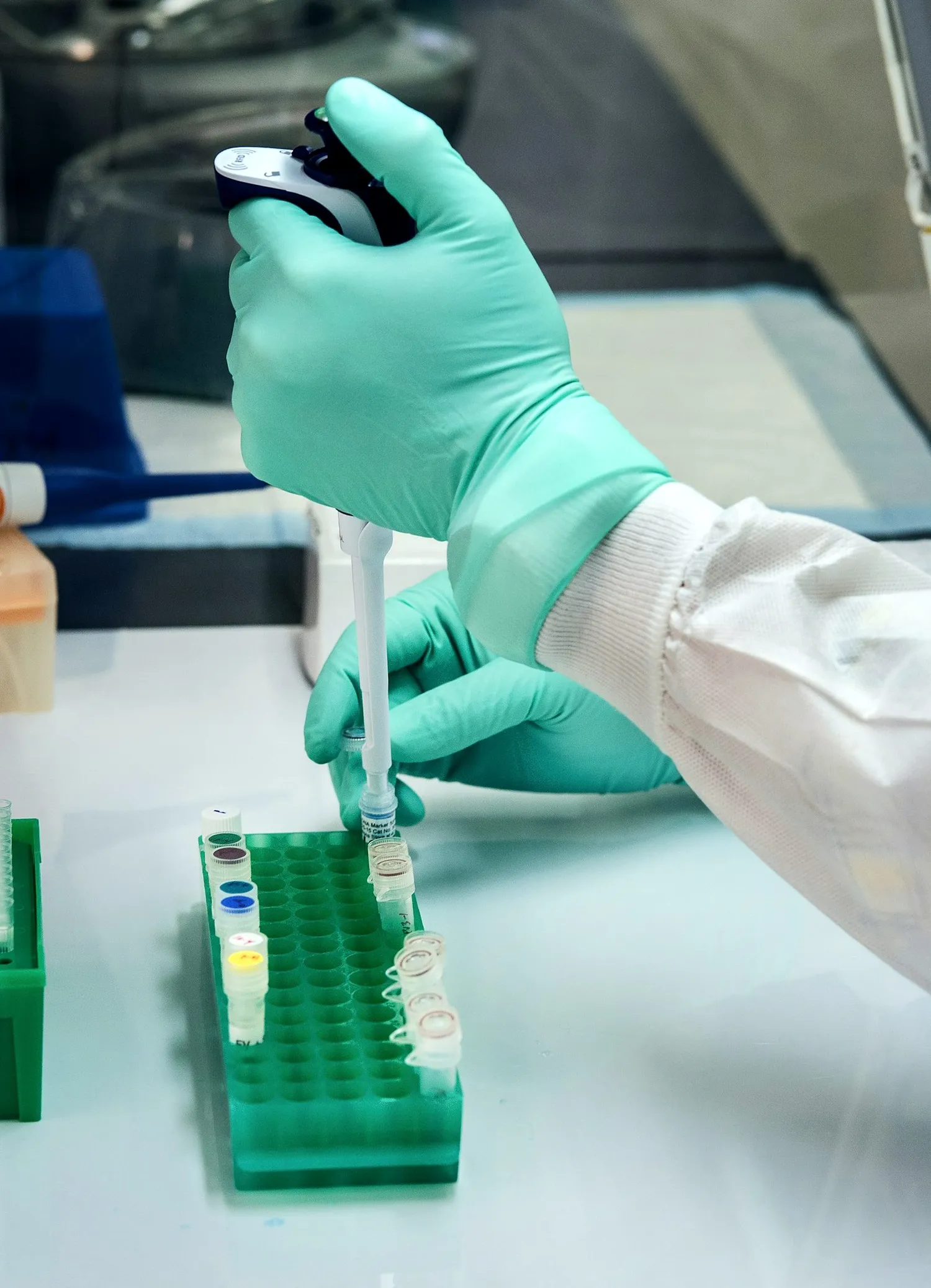
The 2025 Nobel Prize in Physiology or Medicine went to Mary E. Brunkow, Fred Ramsdell and Shimon Sakaguchi for discoveries on peripheral immune tolerance: how regulatory T cells stop the immune system from attacking the body.
What regulatory T cells do
The immune system has to be powerful enough to destroy infected and abnormal cells, but restrained enough not to destroy healthy tissue. Part of that restraint is built in during development, when many self-reactive immune cells are removed. But that filtering is not perfect. Some self-reactive cells escape into the body. Regulatory T cells are a specialized population that keeps those cells in check, acting like a brake on the rest of the immune response.
The work recognized by this prize identified these cells and the master gene that controls them, called FOXP3. When that gene does not work, the brake fails and the immune system turns on the body’s own tissues.
Why it matters
Their work explains why most of us don’t develop autoimmune disease, and it has opened new approaches for autoimmunity, transplantation and cancer.
Immunology is not just about fighting threats. It is equally about knowing when not to.
In autoimmunity and transplantation, the goal is to strengthen tolerance: calm the immune system so it stops attacking a joint, a pancreas or a donor organ. In cancer, the problem is reversed. Tumours can recruit regulatory T cells to protect themselves from immune attack, so some strategies aim to weaken that protection locally. The same biology, pushed in opposite directions, serves different medical goals.
My perspective
Tolerance is the central question in my work on drug carriers. A vesicle that delivers its cargo perfectly is useless if the immune system attacks it. Understanding how the body decides what to tolerate is exactly what we need to design carriers it will accept.
Extracellular vesicles are appealing as carriers partly because cells already release them and the body is used to encountering them. But once you engineer a vesicle, change its surface, load it with a drug or produce it from another organism, you cannot assume it will be treated as harmless. That is why, in our work on EVX-1 and ProbioVesicle, we test how human immune cells respond alongside how well the carriers deliver. A carrier that triggers inflammation or gets cleared before it reaches its target has failed, whatever its potency in a dish.
There is also a broader lesson for drug delivery. For a long time, the field focused on getting more drug into the target. Increasingly, the harder problem is getting the body to let the carrier do its job. Knowledge of tolerance, how the immune system distinguishes what to leave alone, is going to shape how the next generation of carriers is designed.
I also appreciate that this prize rewards basic research that took years to be accepted. The idea of suppressor cells was met with skepticism for a long time before the evidence became clear. Prizes like this remind us that immunology is not just about fighting threats. It is equally about knowing when not to.