The first CAR-T approval turns living cells into cancer drugs
The FDA has approved a therapy that re-engineers a patient’s own immune cells to attack leukemia.
 Dr. Younes Medkour
August 2017 · 4 min read
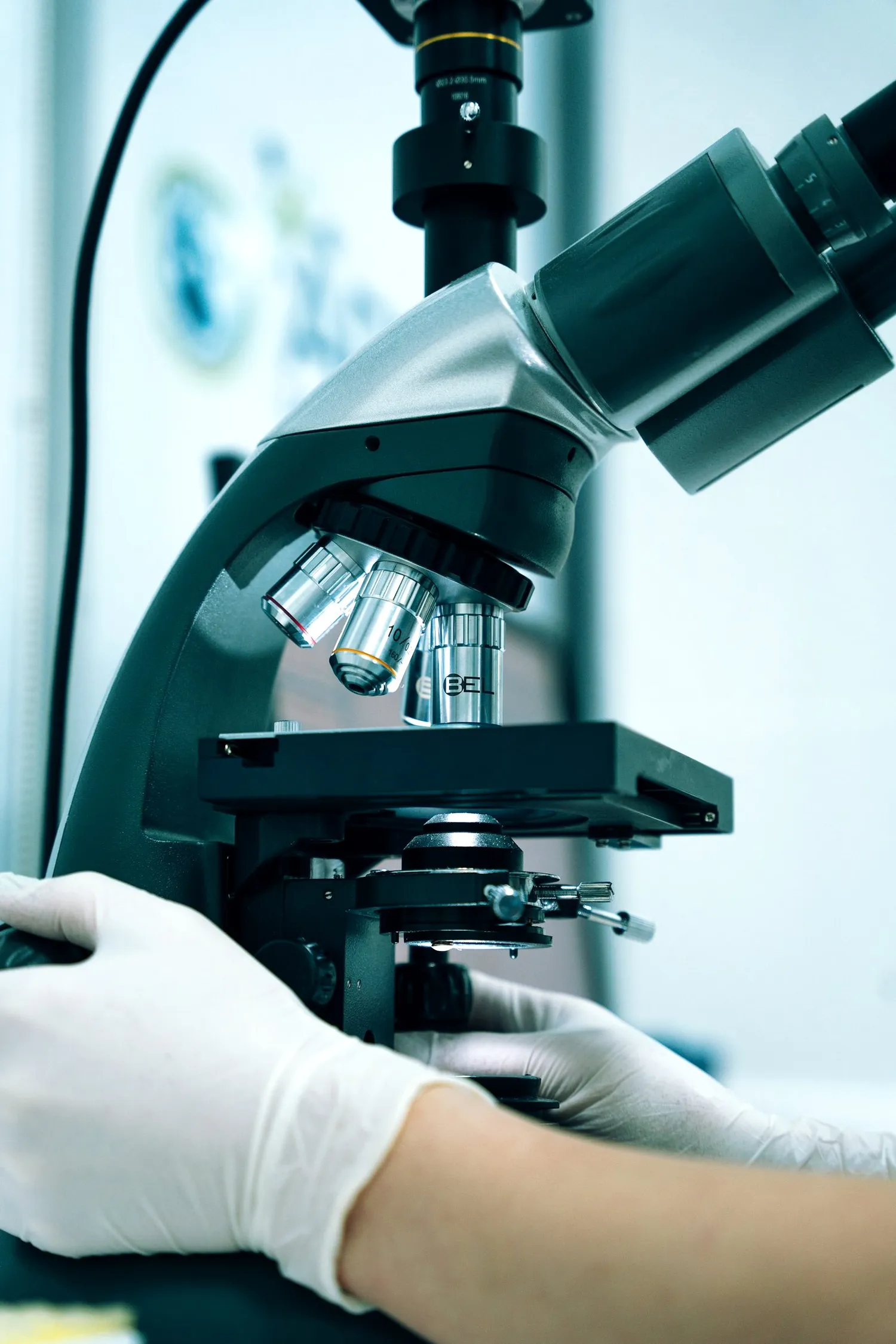
On August 30, 2017, the US Food and Drug Administration approved Kymriah, the first CAR-T cell therapy, for children and young adults with a form of acute lymphoblastic leukemia.
This is the first time a gene-modified cell therapy has been approved in the United States. For patients whose leukemia has not responded to standard treatment, or has come back, options have been very limited. This approval gives them a fundamentally different kind of treatment.
How it works
A patient’s T cells are collected, genetically modified to recognize a protein on their cancer cells, multiplied, and infused back. The drug is, quite literally, the patient’s own cells.
The name describes the engineering. CAR stands for chimeric antigen receptor, a synthetic receptor built from parts of different proteins. One part recognizes a specific marker on the surface of the cancer cells. The other part switches on the T cell’s killing program once that marker is found. In effect, the receptor redirects an immune cell that would normally ignore the cancer and turns it into a targeted attacker.
What makes this different from a conventional drug is that the treatment is alive. Once infused, the modified cells can multiply in the body and continue to act. That is a remarkable property, and it is also why the therapy needs careful monitoring.
Engineering what we deliver is only half the problem; how it gets there is the other half.
My perspective
This is a turning point in what we call a medicine. It is also a lesson in delivery: the therapy works because immune cells know how to find their targets in the body. Engineering what we deliver is only half the problem; how it gets there is the other half.
Most drugs spread through the body and rely on concentration to reach their target. T cells do something far more sophisticated. They circulate, patrol tissues and respond to what they find. CAR-T therapy takes advantage of a delivery system that evolution has already refined, and adds a new target on top of it. I find that idea powerful. It suggests that one of the best ways to deliver a therapy may be to borrow the body’s own transport systems rather than designing new ones from scratch.
That is a principle I think will extend well beyond cancer immunotherapy. Natural carriers, from immune cells to the small vesicles cells use to communicate, already know how to move through the body and interact with specific targets. Learning to load and steer them could change how we think about drug delivery in general.
What comes next
The open questions are cost, side effects and whether this approach can work against solid tumours, which are much harder to reach.
Each one matters. A therapy made individually for every patient is complex and expensive to produce. A powerful immune response can also cause serious side effects, so safety will need close attention as use expands. And solid tumours present physical and biological barriers that blood cancers do not. How those challenges are solved will decide whether today’s approval is a niche success or the start of a much larger change.