Dr. Younes Medkour, scientist, biologics & drug delivery, Montréal
Why the hardest part of medicine is getting the drug there
Most drugs work in a dish. The trouble starts inside the body. I load extracellular vesicles with a therapeutic payload and test delivery, potency and immunogenicity.
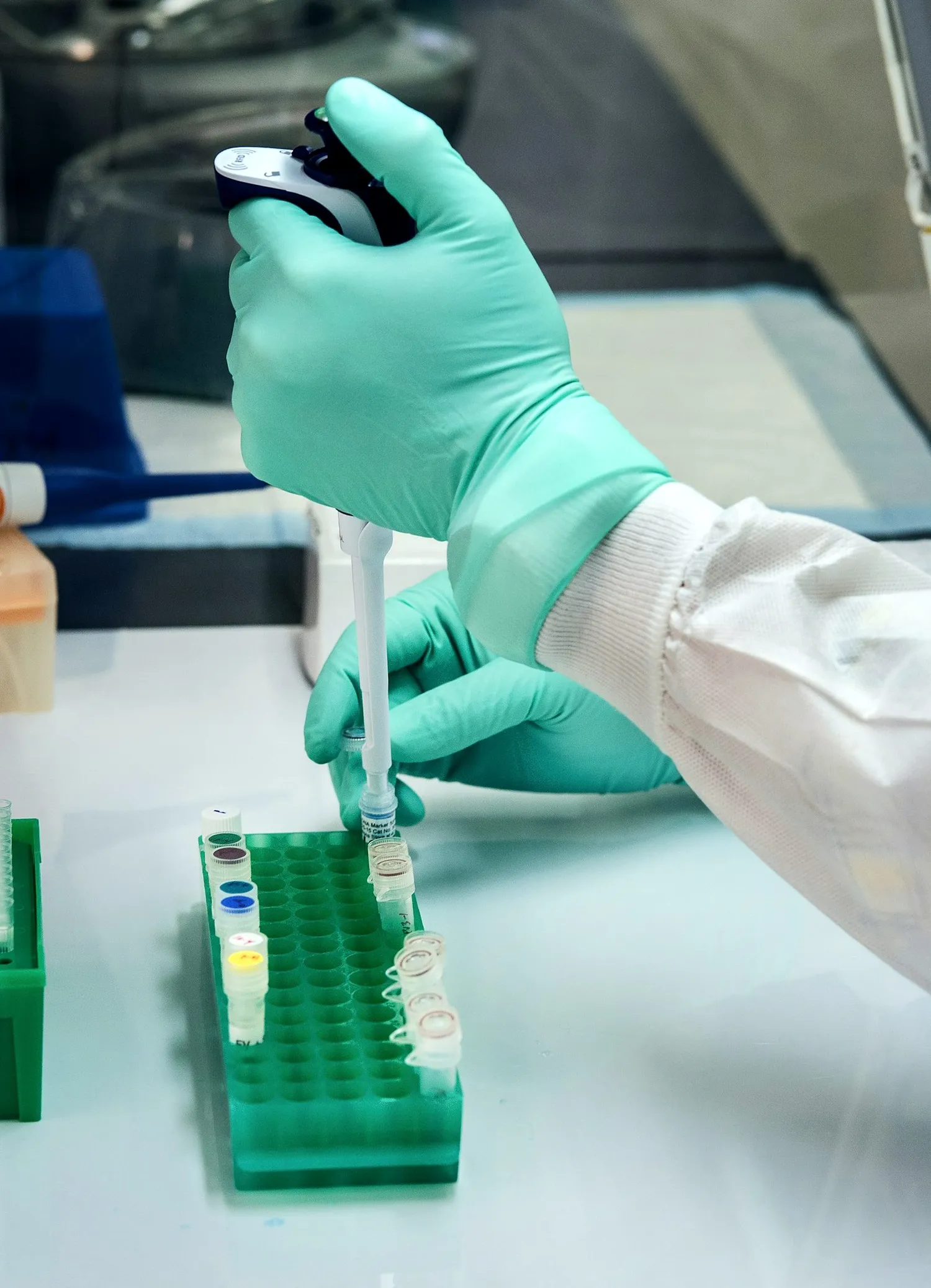
Extracellular vesicles as drug carriers
A biologic carrier built from the body’s own particles: one for a chemotherapy payload, and ProbioVesicle for anti-aging actives.
A brake on tumour growth
A three-protein complex shuts down growth in triple-negative breast cancer, one of the hardest forms to treat.
I  develop extracellular vesicles as biologic drug carriers, from payload loading and potency assays to immunogenicity. It builds on years of target biology in oncology, metabolism and aging.
When the immune system remembers the carrier
A drug carrier can work on the first dose and fail on the second. The reason is immune memory.
How an EV drug carrier is developed
- LoadLoad the payload into the vesicle.
- DeliverReach the target cells.
- PotencyConfirm the payload works in cell-based assays.
- ImmunogenicityShow that the immune system tolerates it.
Latest notes
All notes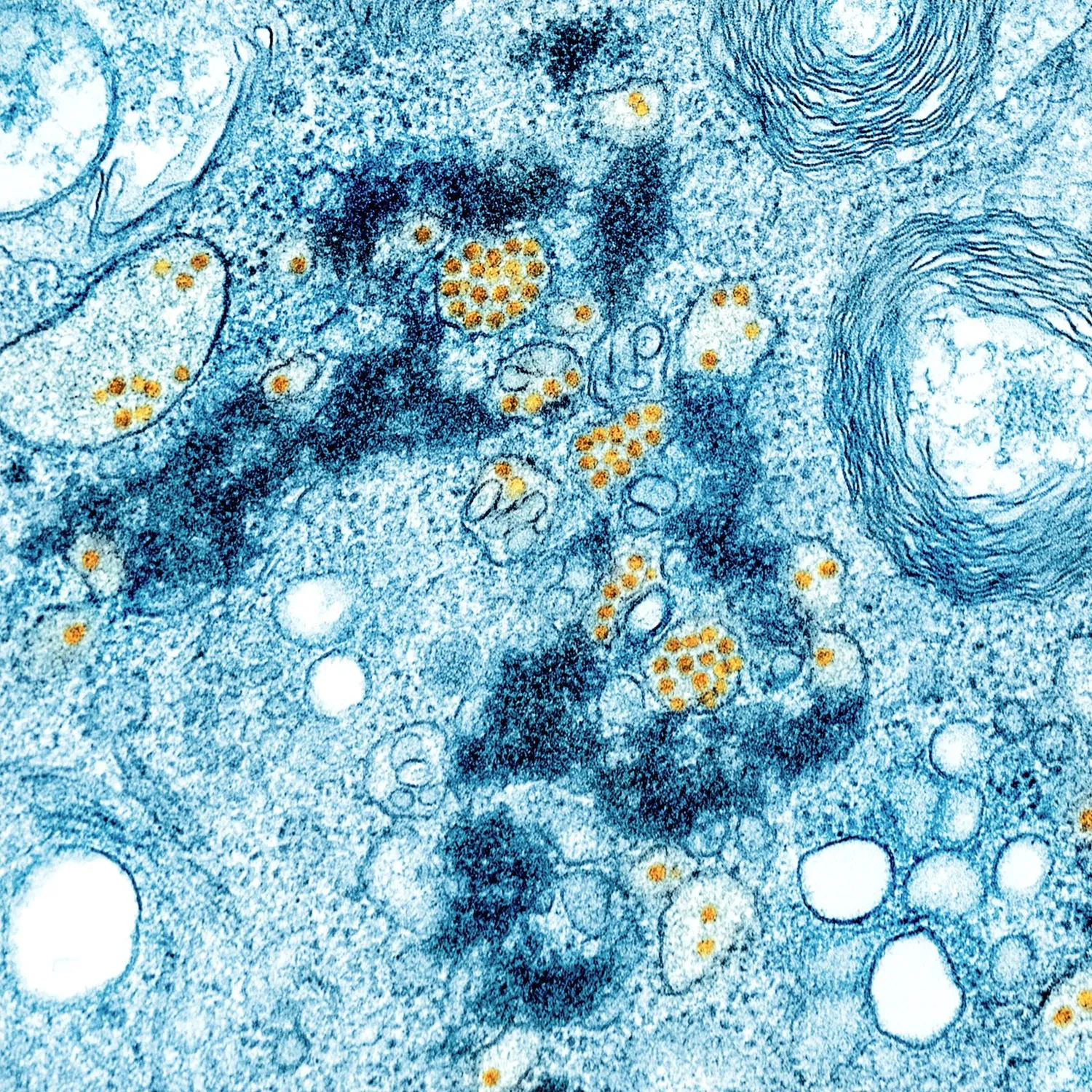
University courses, free on YouTube
Full courses in genetics, genomics, molecular biology and nutrition, taught mechanism first.
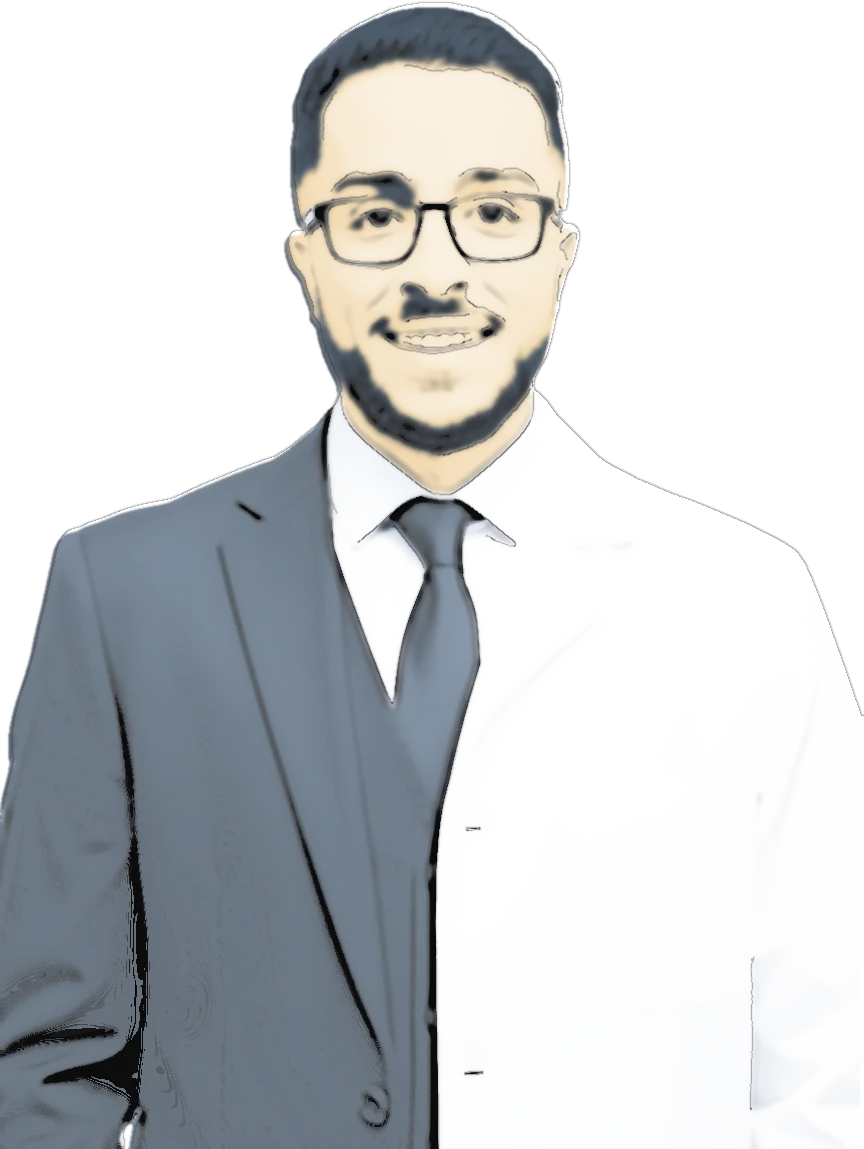
Scientist, biologics & drug delivery
From target biology in oncology and metabolism to drug delivery R&D. Researcher, lecturer, and co-founder of Nanomère.

What changes when research becomes a company
In the lab, the question is “is it true?” In a company, it is “is it true every time?”
Why yeast is the best aging model you’ve never heard of
Bread yeast has quietly shaped what we know about how cells work, and how they age.

Biotech, explained
Short notes on drug development, delivery, oncology and aging: what a new result means and what it doesn’t.