FBXW7 controls liver fat and the progression of fatty liver disease
A study I co-authored shows how one protein in liver cells helps control energy balance and fatty liver disease.
 Dr. Younes Medkour
2023
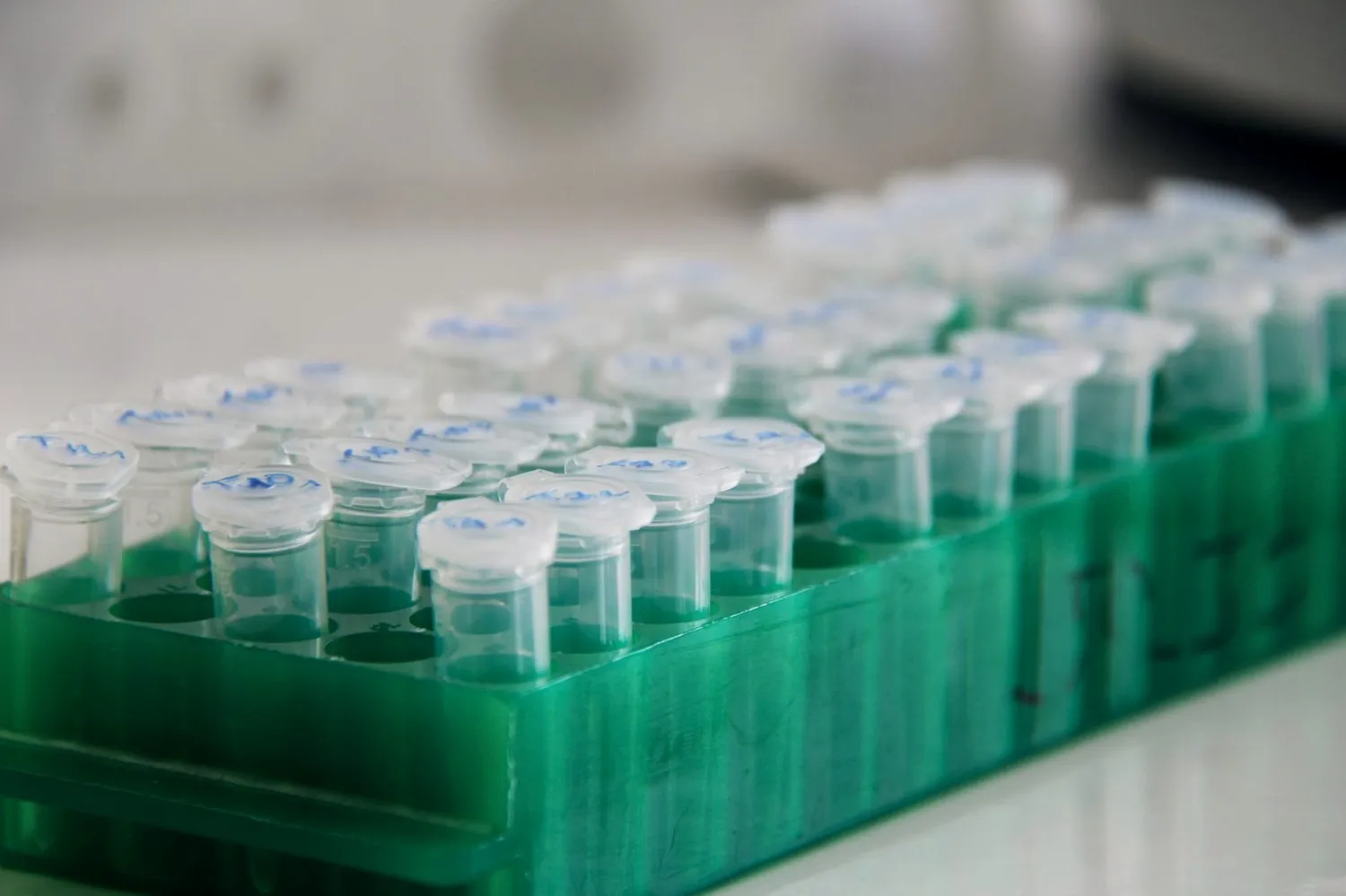
In 2023, I co-authored a study on a protein called FBXW7 and its role in the liver. It was a project that took me well outside the yeast work I had been trained in, and it gave me a clearer view of how the same basic principles of cell control show up in very different systems.
What FBXW7 does
FBXW7 is part of the cell’s protein disposal machinery. It helps tag specific proteins for destruction, which is one of the main ways a cell controls how much of a given protein is active at any moment. Proteins that are tagged get broken down, and their signal fades. When FBXW7 is missing, those proteins can linger and keep acting long after they should have been switched off. It is best known in cancer biology, where its loss allows growth-promoting proteins to accumulate.
The finding
In liver cells, FBXW7 controls the activity of nuclear receptors that sense nutrients. Nuclear receptors are proteins that respond to signals, such as fats and hormones, and then switch sets of genes on or off. Those receptors decide how the liver stores and burns fat. When FBXW7 is lost in the liver, that control breaks down, with effects on energy balance across the whole body and on the progression of fatty liver disease (NASH). We showed this in male mice.
That last detail matters. Metabolism differs between males and females, and a result in male mice is a result in male mice. It is a solid starting point, not a final answer, and it should be tested more broadly before anyone draws conclusions about people.
The question is the same: what controls how a cell behaves, and what happens when that control fails.
Why it matters
Fatty liver disease is one of the most common liver conditions in the world, and it is closely tied to diabetes and obesity. It often develops silently, and its inflammatory form can progress to scarring and serious liver damage. Knowing which switches control fat handling in the liver points to where future treatments might act. Nuclear receptors are attractive in this respect because they are, by nature, designed to respond to small molecules, which makes them reasonable drug targets.
The liver also matters beyond itself. It is a central hub for the body’s energy balance, so when its control systems fail, the effects reach other organs. That is part of why a change in one protein in one tissue showed up as a whole-body effect.
The thread
This was a move from aging in yeast to metabolism in mammals. But the question is the same one I keep coming back to: what controls how a cell behaves, and what happens when that control fails.
My perspective
What I take from this study is that regulation is often more important than any single pathway. The receptors that manage fat in the liver were not broken. What broke was the system that keeps them in check. I think that lens is useful across biology, from aging to cancer to metabolic disease. When something goes wrong in a cell, it is worth asking not only which pathway is overactive, but which brake has stopped working. Often, that is where the more interesting answer is.