PE21: how a willow bark extract delays aging
A screen gives you candidates. The next step is to study the best one in depth.
 Dr. Younes Medkour
2019
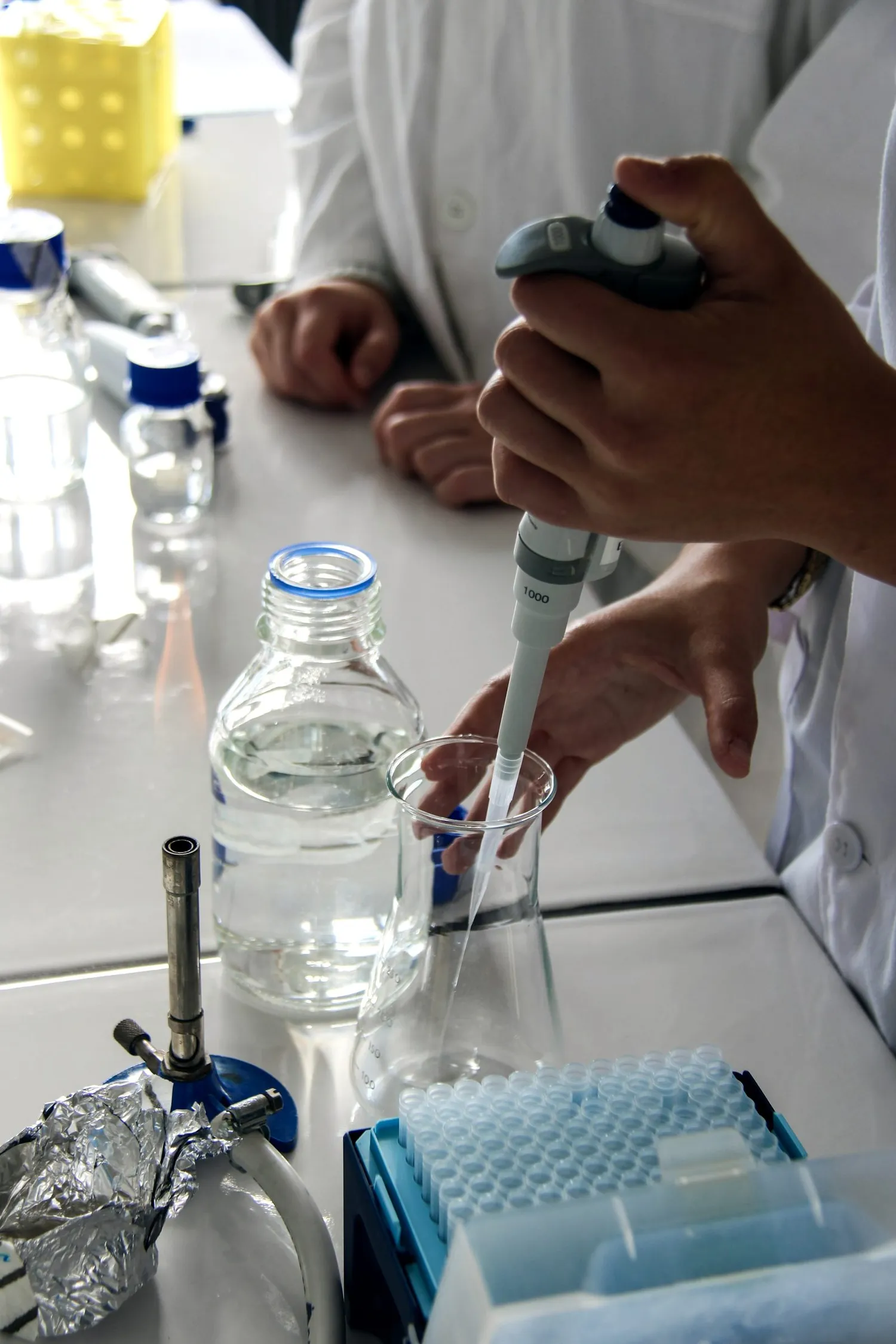
Our 2016 screen pointed to a white willow bark extract as the strongest of the molecules we found. In 2019, we published a follow-up focused on that extract, called PE21, and how it delays chronological aging in yeast.
Chronological aging in yeast is a specific model. It measures how long cells survive once they stop dividing, which makes it a useful stand-in for cells in our body that spend most of their lives not dividing, like neurons or muscle cells. A compound that keeps non-dividing yeast alive longer is telling you something about how cells maintain themselves over time.
From “what works” to “how”
A screen answers one question: does it work? You test many candidates under the same conditions and see which ones change the outcome. That is valuable, but it is a list of hits, not an explanation.
The harder and more useful question is how. Following PE21 meant tracing what the extract changes inside the cell as it ages. That is slower work. You have to look at many processes at once, decide which changes are causes and which are consequences, and design experiments that can tell the two apart.
With PE21, the answer pointed to lipid metabolism. The extract changes how cells handle and remodel their lipids, the molecules that make up membranes and store energy. Lipids are not just passive building blocks. They shape how organelles behave, how cells respond to stress, and how they manage energy as they age. Finding that a plant extract acts through this kind of remodeling was one of the most satisfying results of my PhD.
A screen tells you what works. The harder question is how.
Why it matters
Knowing the mechanism is what lets you move a result forward. It tells you which processes to look at in more complex cells, and which compounds might act the same way.
Without a mechanism, a lifespan result in yeast is an interesting observation that is hard to build on. With one, it becomes a hypothesis you can test elsewhere. If an extract works by changing lipid metabolism, you can ask whether similar changes happen in human cells, whether other molecules can produce the same effect, and whether the pathway is involved in age-related disease.
Mechanism also protects you from overclaiming. A whole extract contains many molecules, and it is tempting to assume the effect comes from the most famous one. Studying what actually changes in the cell keeps you honest about what you know and what you are guessing.
My perspective
I think the field sometimes rewards screens more than follow-ups. A list of hits looks impressive and gets attention. The deep study of one hit is less visible, but it is where most of the understanding comes from. I would rather know exactly how one compound works than have a long list of compounds nobody has explained.
This study closed the main arc of my PhD: from a broad screen, to one standout extract, to the biology behind it. It also shaped how I approach research now. Finding something that works is the beginning of the question, not the end of it.