EVX-1 and ProbioVesicle: extracellular vesicle drug carriers
Packaging a chemotherapy drug inside extracellular vesicles changed how strongly it acts on cancer cells.
 Dr. Younes Medkour
2025
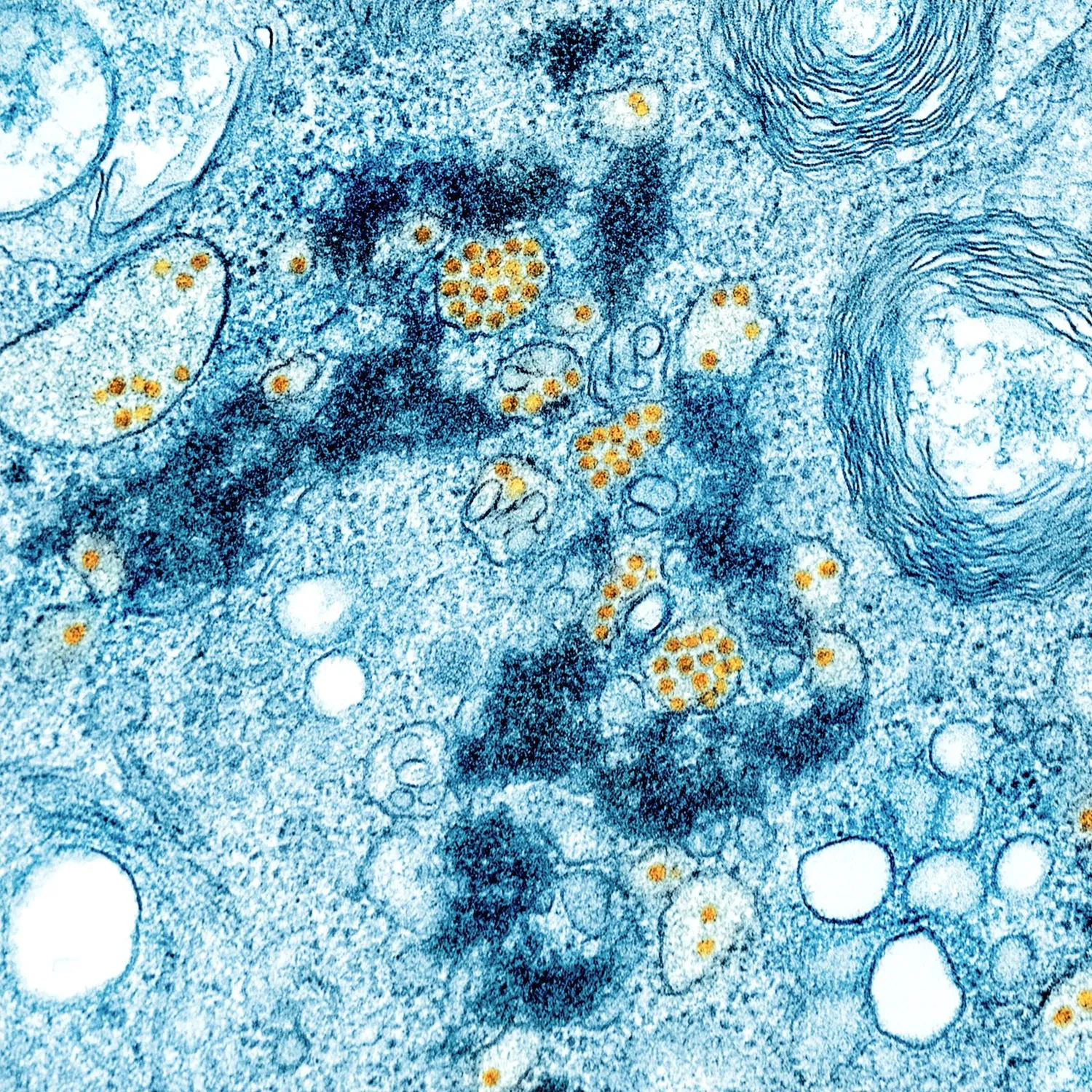
In 2025 I started a new role at Concordia as Research Associate, leading the cell biology and delivery arm in Christopher Brett’s lab, in collaboration with partner labs in glycoengineering and human immunology, on vesicle-based therapies. It is a role that combines running a lab day to day with pushing a research program forward, and it brings together much of what I have worked on in the past.
What extracellular vesicles are
Extracellular vesicles are tiny membrane-bound particles that cells release naturally. They carry proteins, lipids and nucleic acids from one cell to another, and they are part of how cells communicate. Because they are made by cells, they already know how to cross membranes and deliver cargo. That makes them an appealing starting point for drug delivery: instead of designing a carrier from scratch, you can borrow one that biology has been refining for a very long time.
EVX-1 and ProbioVesicle
We are developing two vesicle carriers. EVX-1 carries a chemotherapy agent; in early cell-based potency tests, it outperformed the same drug given on its own. The second, ProbioVesicle, is derived from probiotic yeast and carries anti-aging actives, molecules that often fail to reach the cells they are meant to help.
The two projects have different goals but share one logic. In both cases, the active molecule is already known to do something useful. The limitation is getting enough of it to the right place, in the right form, without losing it along the way.
Why that matters
Find what works inside the cell, then find a safe way to get it there.
Many chemotherapy drugs work, but they also damage healthy tissue. That is why treatment often comes with serious side effects, and why doses are limited by what the patient can tolerate rather than by what the tumour needs. If a carrier lets you reach the same effect with less drug, you open the door to treatments that are both stronger and safer.
For anti-aging actives, the challenge is different but related. Many promising compounds are unstable, poorly absorbed or broken down before they reach their target. A good carrier can protect them and help them get inside cells.
The other half: safety
Potency is only half the story. With our immunology partners, we measure how human immune cells respond to engineered vesicles. A carrier has to be tolerated before it can be useful. An immune reaction can destroy the carrier before it delivers anything, or worse, cause harm on its own. Testing this early, with human immune cells, is how we avoid building something that only works in a dish.
My perspective
Early cell-based results are encouraging, but they are early. Potency in cultured cells is a necessary first step, not proof that a therapy will work in people. The path from here involves more rigorous testing, scale-up and careful safety work. I think the strength of this program is that it asks the delivery and safety questions at the same time, rather than one after the other.
This is the work that shapes everything I do now: find what works inside the cell, then find a safe way to get it there.