Extracellular vesicles as drug carriers
Cells constantly release extracellular vesicles (EVs) to move proteins and RNA between them. Because the body already makes and reads them, EVs are a biologic delivery modality that could carry payloads past barriers that stop synthetic nanoparticles. I develop two carriers, one for a chemotherapy payload and ProbioVesicle, probiotic yeast vesicles for anti-aging actives, and I assess their potency and immunogenicity for human use.
- 1. LoadLoad the payload into the vesicle.
- 2. DeliverReach the target cells.
- 3. MeasureConfirm potency in cell-based assays.
- 4. ImmunogenicityShow that the immune system tolerates it.
Notes on drug delivery
All notes on drug delivery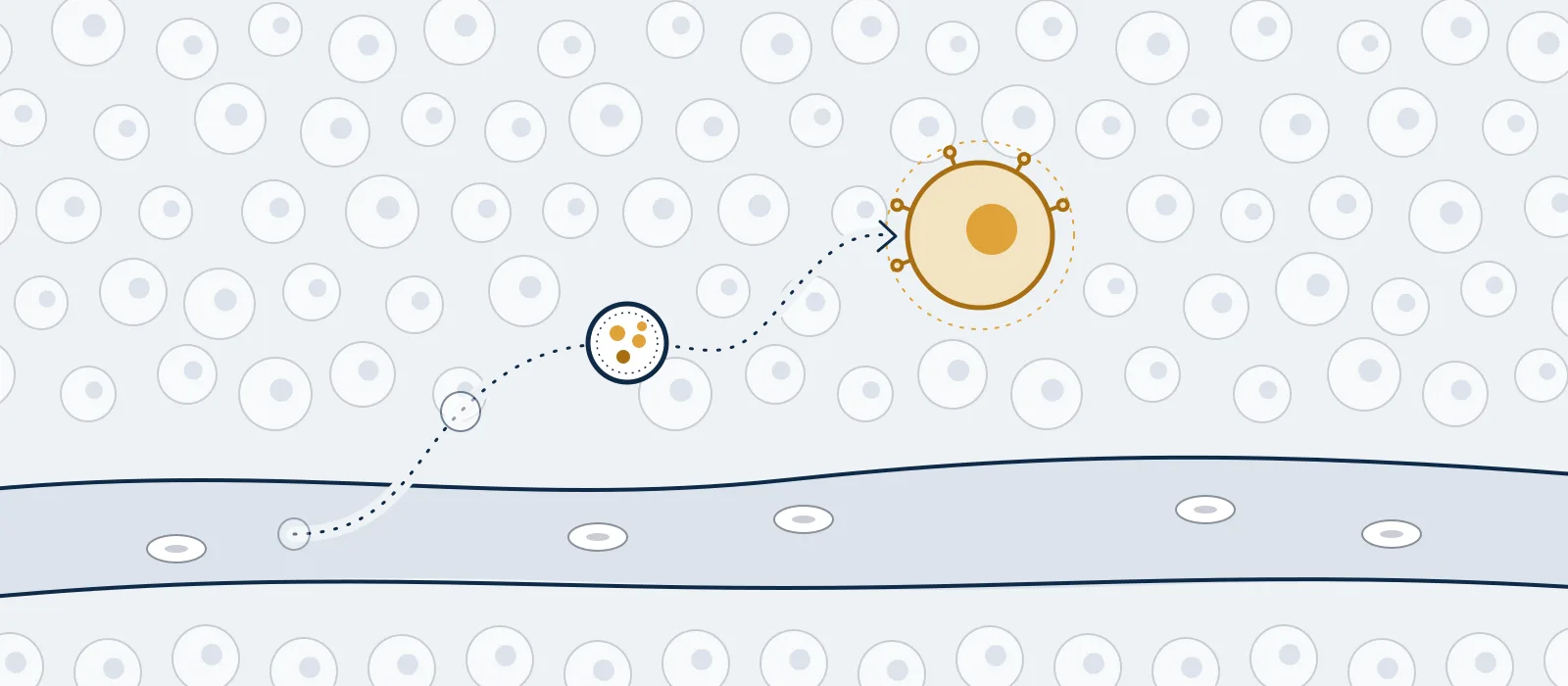
Why the hardest part of medicine is getting the drug there
A drug that never reaches its target is just a molecule. This essay looks at what extracellular vesicles might change, and what has to be true before they reach patients.
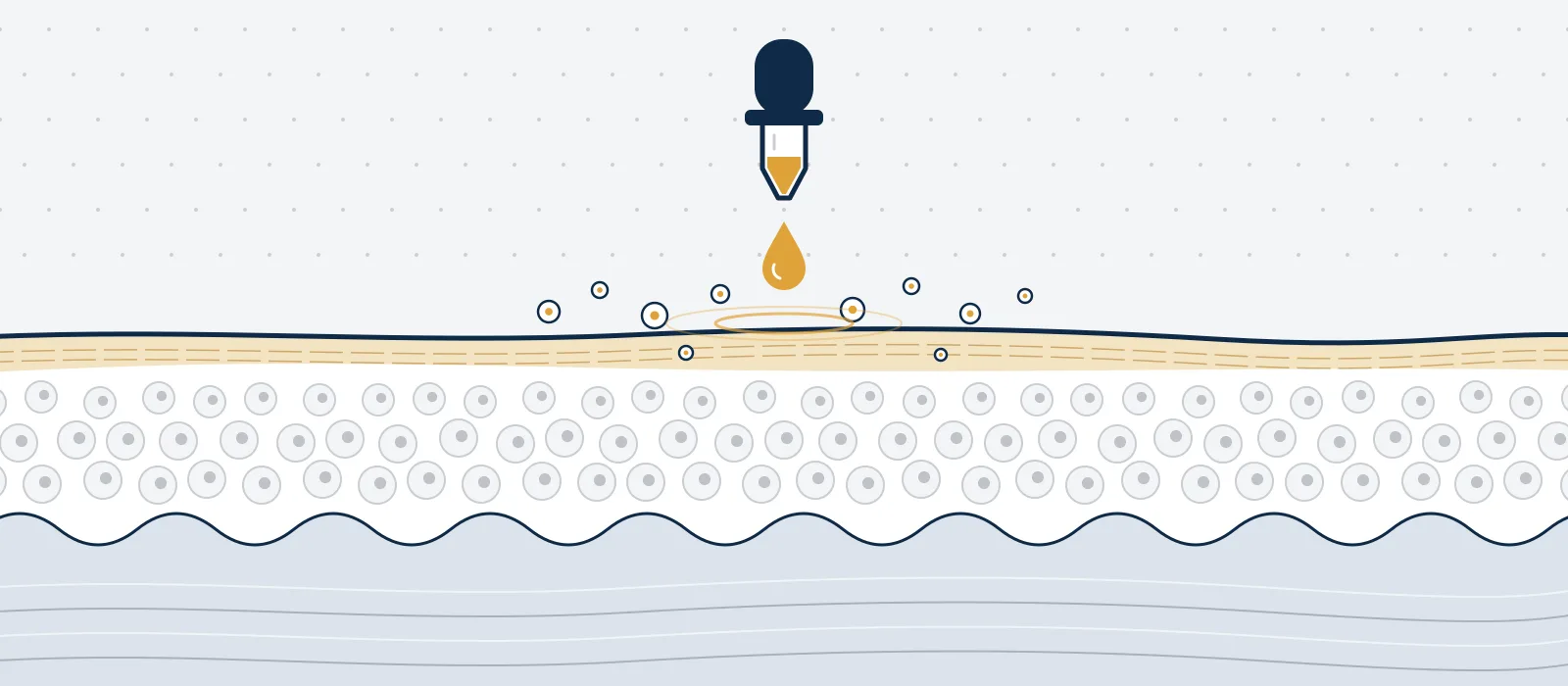
Exosomes in skincare: what is real and what is marketing
“Exosome” is now printed on serums and creams. Here is how to read the label with a scientist’s eye.

When the immune system remembers the carrier
A drug carrier can work perfectly the first time and fail the second. The reason is immune memory.
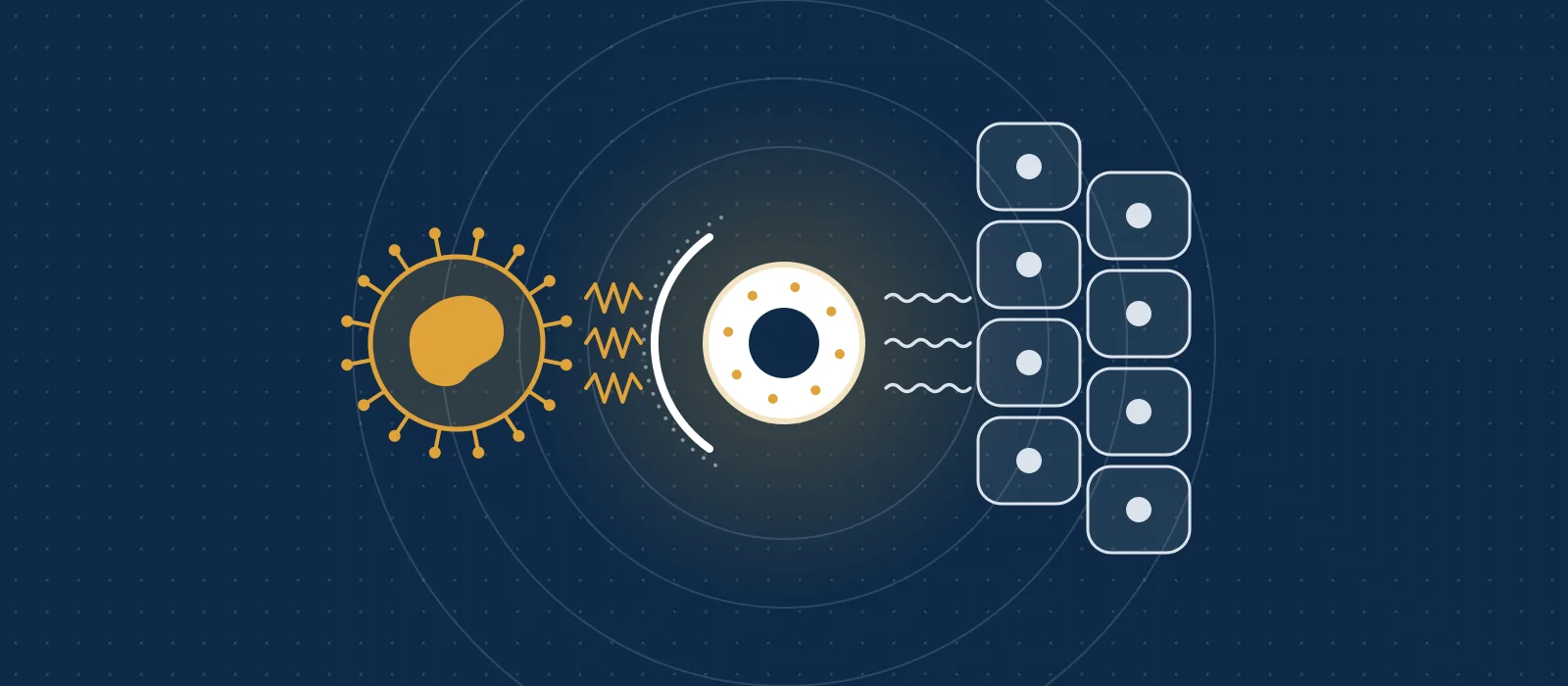
A Nobel Prize for immune tolerance, and what it means for drug carriers
Mary Brunkow, Fred Ramsdell and Shimon Sakaguchi were honoured for discovering how the immune system is kept in check.

What mRNA vaccines taught us about delivery
The breakthrough everyone remembers was the molecule. The part that made it work was the package.