Appointed part-time faculty lecturer at Concordia
In 2024, I became a part-time faculty lecturer at Concordia, where I had once been a student.
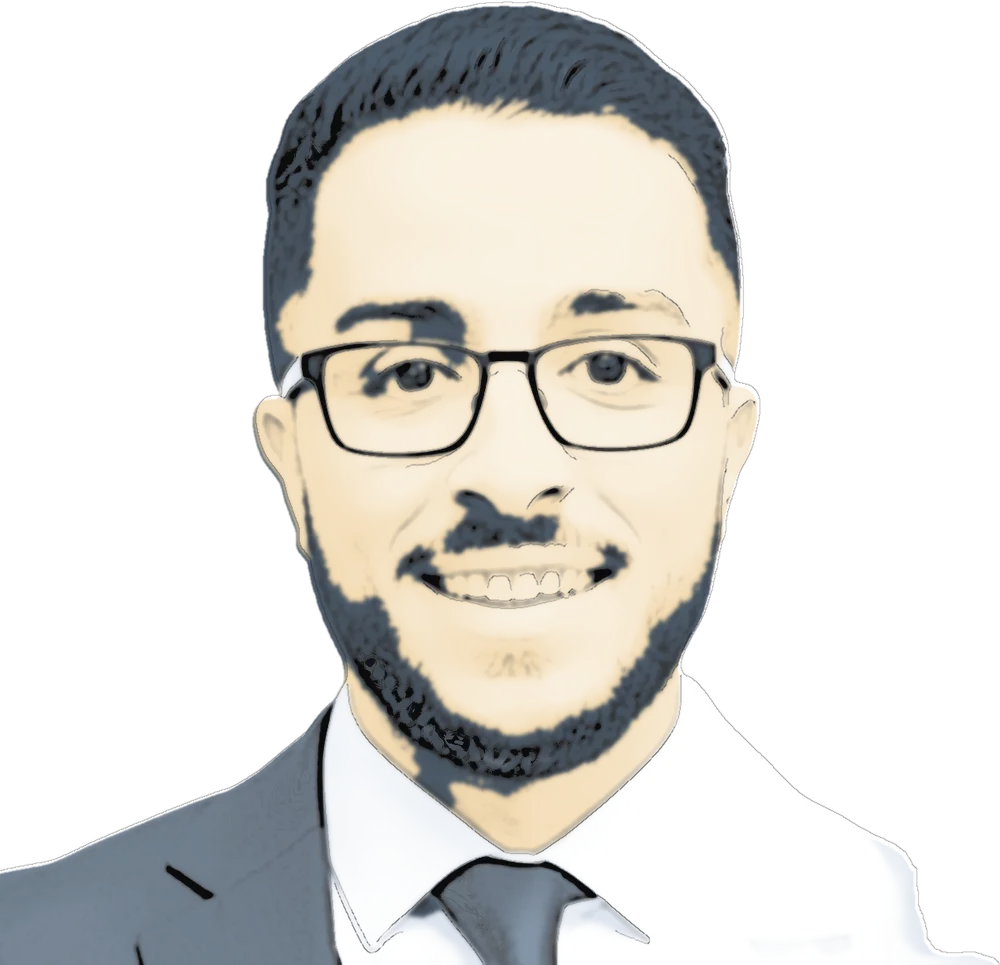 Dr. Younes Medkour
2024
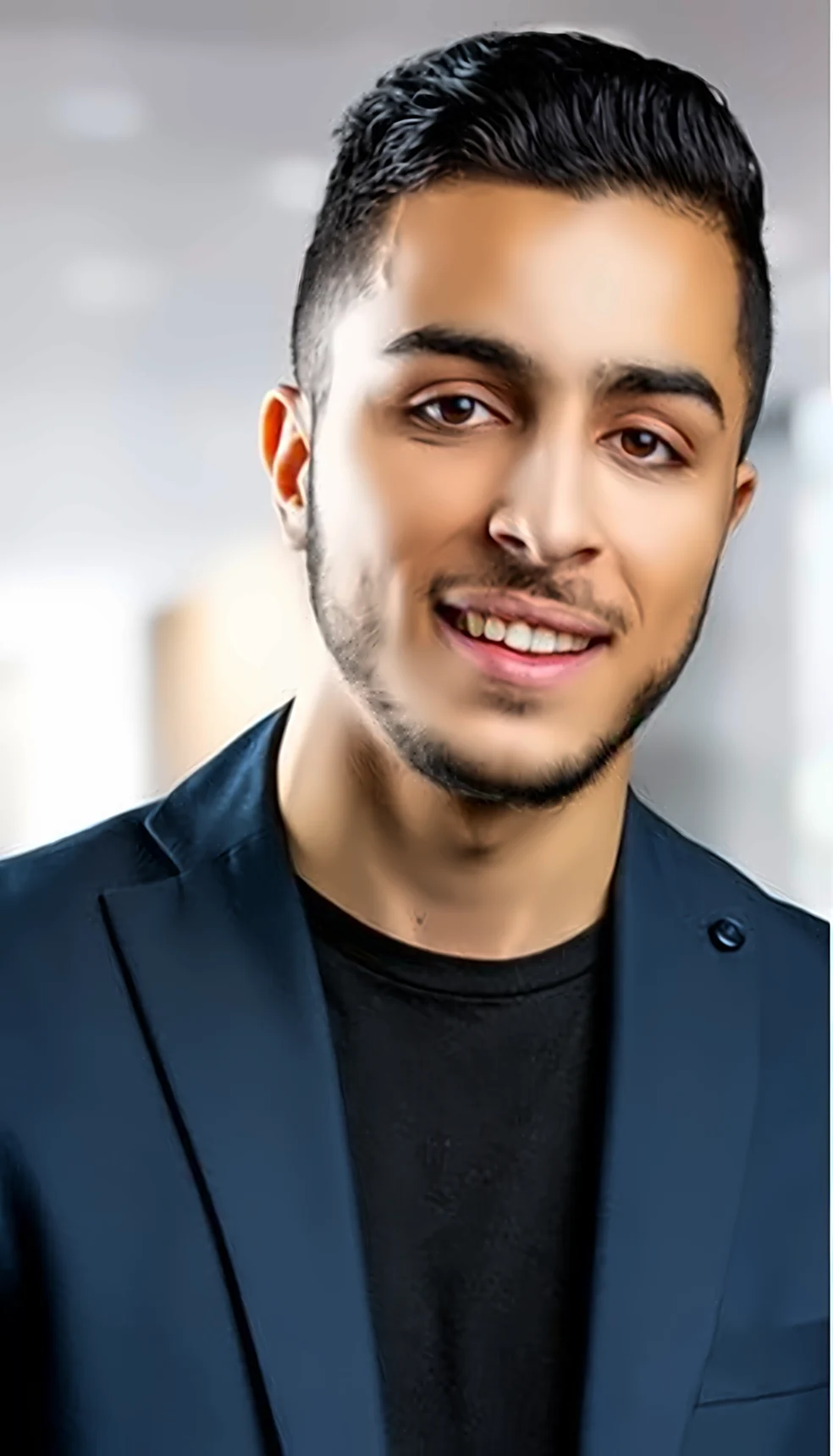
In 2024, I started teaching at Concordia as a part-time faculty lecturer: molecular biology, molecular genetics and structural genomics, with classes of up to about 80 students and teaching assistants to supervise.
These are foundational courses. They cover how DNA is copied and repaired, how genes are switched on and off, how proteins are made and folded, and how we read and interpret genomes. Almost everything students will meet later in biology, medicine or biotechnology rests on this material.
Same building, different side
Teaching in the department where I did my BSc and PhD is a strange and good feeling. I know what those seats feel like, and which explanations used to lose me.
That memory is useful. When you have worked in a field for years, it is easy to forget which steps were once hard. I try to teach the parts that confused me as a student most carefully, because I know they are where students quietly fall behind. A concept that seems obvious to an expert can be the exact point where a beginner loses the thread.
How I approach it
I try to teach mechanisms, not lists. Molecular biology can easily become a catalogue of names and pathways to memorize. Students retain much more when they understand why a process works the way it does and what would happen if one step failed. I also connect the material to real research and disease whenever I can, because it shows students that these mechanisms are not abstract. They decide whether a cell stays healthy, ages or becomes cancerous.
If I can’t make a mechanism clear to a room of students, I don’t understand it well enough yet.
Supervising teaching assistants is part of the job too. They are often graduate students learning to teach for the first time, and helping them do it well is as important as the lectures themselves.
Why the lectures are on YouTube
I record full courses and put them online for free. Students can review at their own pace, and people far outside the university use them too.
Students learn at different speeds, and some are working or caring for family while studying. Being able to pause, rewind and revisit a lecture before an exam makes a real difference. Making the material public also means that anyone curious about molecular biology can learn it properly, without tuition or enrollment.
My perspective
Teaching is the best test of understanding I know. If I can’t make a mechanism clear to a room of second-year students, I don’t understand it well enough yet.
It also keeps me honest as a researcher. Students ask simple questions that turn out to be hard ones. Answering them well often means going back to the evidence and checking what we actually know versus what we have simply repeated for years. That habit makes me better in the lab as well as in the classroom. And when a student tells me a lecture finally made something click, that is a result I value as much as any experiment.