Selected as a 2018 Concordia Public Scholar
In 2018, Concordia selected me as one of ten PhD students trained to take research to the public.
 Dr. Younes Medkour
2018
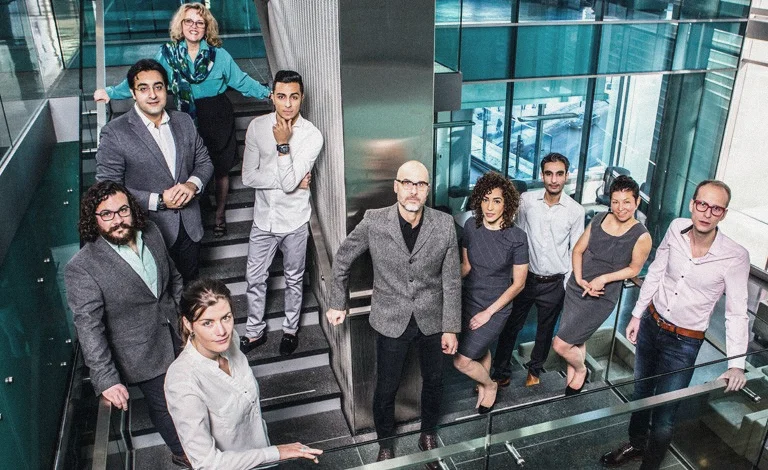
In 2018, I joined Concordia’s Public Scholars program, a cohort of ten PhD researchers from fields as different as engineering, history, food anthropology and business. I was the biologist in the group.
That mix was part of the point. Sitting in a room with people who study entirely different things is a fast way to find out how much jargon you use without noticing. If a historian or an engineer could not follow my explanation of aging in yeast, the problem was my explanation, not their background.
What the program asked of us
Write for newspapers. Speak to audiences who owe us nothing. Explain years of work in a few minutes without dumbing it down. For a scientist trained to write for other scientists, every one of those was a new skill.
Academic writing has its own logic. You build the context, describe the methods, present results with all their caveats, and save the conclusion for the end. Public writing works almost the other way around. You lead with why it matters, give the one finding people need, and only then add the nuance. Learning to switch between those two modes took practice, and I still find it a useful discipline.
Speaking to audiences who owe us nothing was the other big lesson. At a conference, people are there because the topic is their job. A public audience can stop listening at any moment. That pushes you to be clear, concrete and honest about what is known and what is not.
What came out of it
Most research is funded by the public, and most of the public never hears about it.
That year I wrote op-eds for the Montreal Gazette, gave interviews, wrote for the program’s blog, made a one-minute film that became a runner-up in NSERC’s national competition, presented at Stanford and co-organized an evening for CEGEP students.
Each format taught something different. The op-eds forced me to make an argument in a few hundred words. Interviews taught me to answer the question that was asked, not the one I had prepared for. The film taught me to cut. The CEGEP evening was a reminder that young students are often the most curious audience of all, and that a good conversation at that age can shape what someone decides to study.
My perspective
Most research is funded by the public, and most of the public never hears about it. I don’t think that is acceptable. The money that pays for lab equipment, salaries and student training comes largely from taxes. People have a right to know what it produced, and they deserve better than press releases full of hype or silence.
Scientists don’t have to become entertainers, but we owe people clear explanations of what we found and why it matters. That includes being honest about limits. A result in yeast or in a cell culture dish is not a cure, and saying so plainly builds more trust than overselling it.
There is also a practical reason. Public understanding shapes funding decisions, health choices and how people respond to new technologies. When scientists stay quiet, others fill the gap, often with less accurate information.
That belief is the reason this website exists. It is my attempt to keep doing what the program started: explaining the science I work on in plain language, for anyone who wants to understand it.