Lessons from a year as a Concordia Public Scholar
As our cohort wrapped up with a multimedia showcase, I left advice for the next one, and a workshop on writing op-eds.
 Dr. Younes Medkour
April 2019
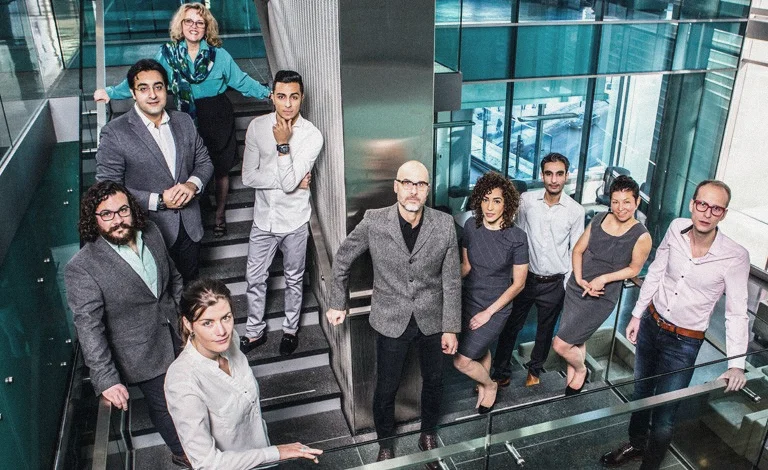
In March 2019, Concordia’s ten Public Scholars closed the year with a multimedia event showcasing our work. In April, I wrote a farewell post for the next cohort and co-hosted a GradProSkills workshop called “From scholarly research to crafting an op-ed.”
The program’s purpose was simple: help doctoral researchers share their work with people outside academia. After a year of trying to do exactly that, I had a clearer idea of what works and what doesn’t.
Advice I gave
Start right away. Read the news every day and look for the moment when your expertise becomes relevant. Write quickly when it does. An op-ed published a week late is an op-ed nobody reads.
That last point is the hardest adjustment for academics. We are trained to take our time, check every reference and wait until a piece feels complete. Public debate does not wait. When a story breaks, editors want informed voices within days, sometimes hours. The researchers who succeed are the ones who have thought about their field’s public relevance in advance, so they are ready when the moment arrives.
I also told the next cohort to write for one reader: an intelligent person with no background in the subject. That means leading with the point, cutting jargon and accepting that nuance has to be selected, not dumped on the page.
What changes when you write for the public
An op-ed published a week late is an op-ed nobody reads.
A paper is written for peers who already share your vocabulary and assumptions. An op-ed is written for people who owe you nothing. They will stop reading at the first paragraph that doesn’t earn its place. That forces a kind of discipline that is good for any scientist: knowing exactly why your work matters, and being able to say it in a few sentences.
Why it matters
Op-eds are one of the few places academics can inform and stimulate public debate directly. They can shape how people think about an issue, and sometimes how policymakers do.
Much of the research that affects daily life, on health, food, the environment, never reaches the people it concerns except through headlines written by others. When researchers write for the public themselves, they can correct misunderstandings, set expectations and explain uncertainty honestly. That last part is important. Science is often presented as either settled or useless. Most of it is somewhere in between, and only the people doing it can explain that well.
My perspective
Teaching others to write for the public was more satisfying than writing myself. One op-ed reaches readers once. A workshop multiplies the number of researchers who can do it.
I also think public writing should be a normal part of research training, not an extra for the few who enjoy it. Universities ask researchers to justify their funding with impact. Explaining that work clearly to the people who fund it is one of the most direct forms of impact there is.