Plant extracts that slow aging: willow bark leads a yeast screen
Our yeast screen found plant extracts that delay aging. One of them stood out by a wide margin.
 Dr. Younes Medkour
March 2016
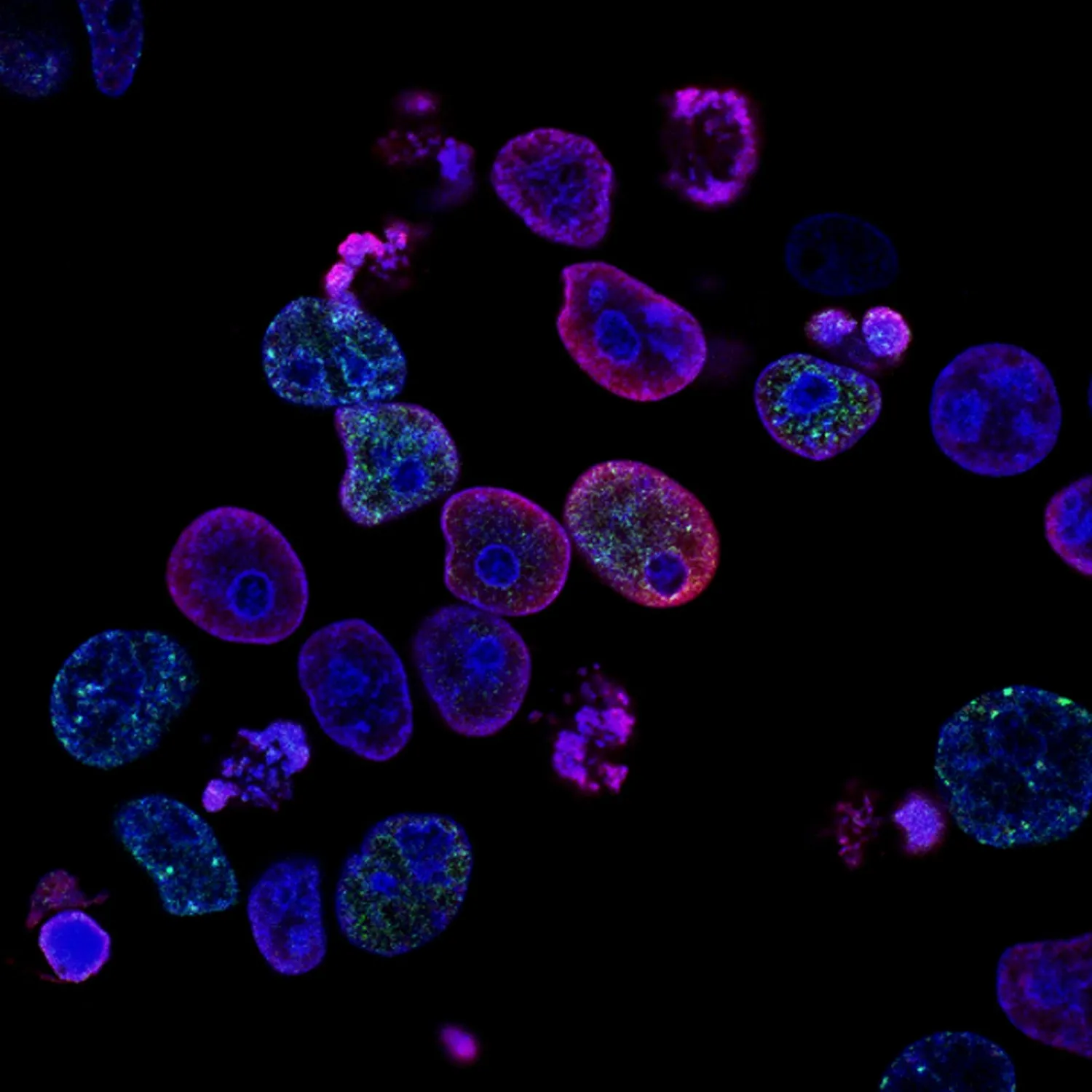
In March 2016, our lab at Concordia published a study I co-authored with Vladimir Titorenko’s team and Idunn Technologies. We screened plant extracts for one property: whether they slow the aging of baker’s yeast.
The question was deliberately narrow. We were not looking for extracts that make cells healthier in some general sense, or that protect them from a single stress. We wanted to know which ones change the pace of aging itself, measured in the most direct way possible: how long the cells live.
We found six groups of molecules that do. One extract, from willow bark, was in a class of its own. It extended the average lifespan of yeast by 475% and the maximum lifespan by 369%. In our screen, that was stronger than rapamycin and metformin, the two drugs most often discussed as candidates for slowing aging.
Both numbers matter, and they say different things. Average lifespan tells you whether most cells in the population live longer. Maximum lifespan tells you whether the longest-lived cells push past the usual limit. An intervention that only helps the weakest cells raises the average but leaves the ceiling where it was. Moving both suggests something more fundamental is changing.
Why yeast?
Yeast cells that stop dividing age in a way that is surprisingly close to how our own non-dividing cells age. Many of the pathways involved are conserved. Nutrient sensing, mitochondrial function, the handling of damaged proteins and the response to stress all work on similar principles in a single yeast cell and in the neurons or muscle cells of an adult human.
And the experiments are fast: a lifespan study that takes about two weeks in yeast would take around three years in mice.
A longer-lived yeast cell is not a longer-lived person. It is a short list of molecules worth studying.
That speed is what makes a screen like this possible. You can test many candidates, keep the few that work, and then ask how they work.
What it does not mean
A longer-lived yeast cell is not a longer-lived person. What a result like this gives you is a short list of molecules worth studying in more complex systems, and clues about which cellular processes they act on.
There are good reasons for caution. Yeast has no organs, no immune system and no circulation. A molecule that works in a dish still has to be absorbed, reach the right tissues, and do so at a dose the body tolerates. Plant extracts are also mixtures, so the next step is always to work out which components are doing the work.
My perspective
I am proud of this study, but I see it as a starting point. Screens are where good questions come from, not where answers end. The value of the willow bark result is that it tells you where to look next, and it gives you a strong benchmark for anything that comes after.
The same year, I published a review with Vladimir Titorenko on how mitochondria act as signaling platforms during yeast aging. That question, how the cell’s power plants tell the rest of the cell how to age, shaped the rest of my PhD. Mitochondria do far more than produce energy, and their signals change as a cell gets older. Understanding that conversation is, to me, one of the most direct routes to understanding aging.